Quick Mongolian Ground Beef Noodles Recipe
Mongolian Ground Beef Noodles are an absolute game-changer in the weeknight dinner arena. If you’ve ever found yourself craving that perfect balance of savory, sweet, and a hint of spice, while also needing something quick and satisfying, then this is the recipe for you. There’s something incredibly comforting and universally loved about a steaming bowl of noodles coated in a rich, flavorful sauce, studded with tender ground beef. What truly sets Mongolian Ground Beef Noodles apart is the ingenious simplicity of its sauce – a harmonious blend of soy sauce, oyster sauce, a touch of sweetness, and a whisper of gin extractger and garlic that coats every strand of noodle and every morsel of beef with irresistible flavor. It’s the kind of meal that makes you forget your to-do list and just savor the moment, making it a cherished favorite for busy families and culinary adventurers alike.
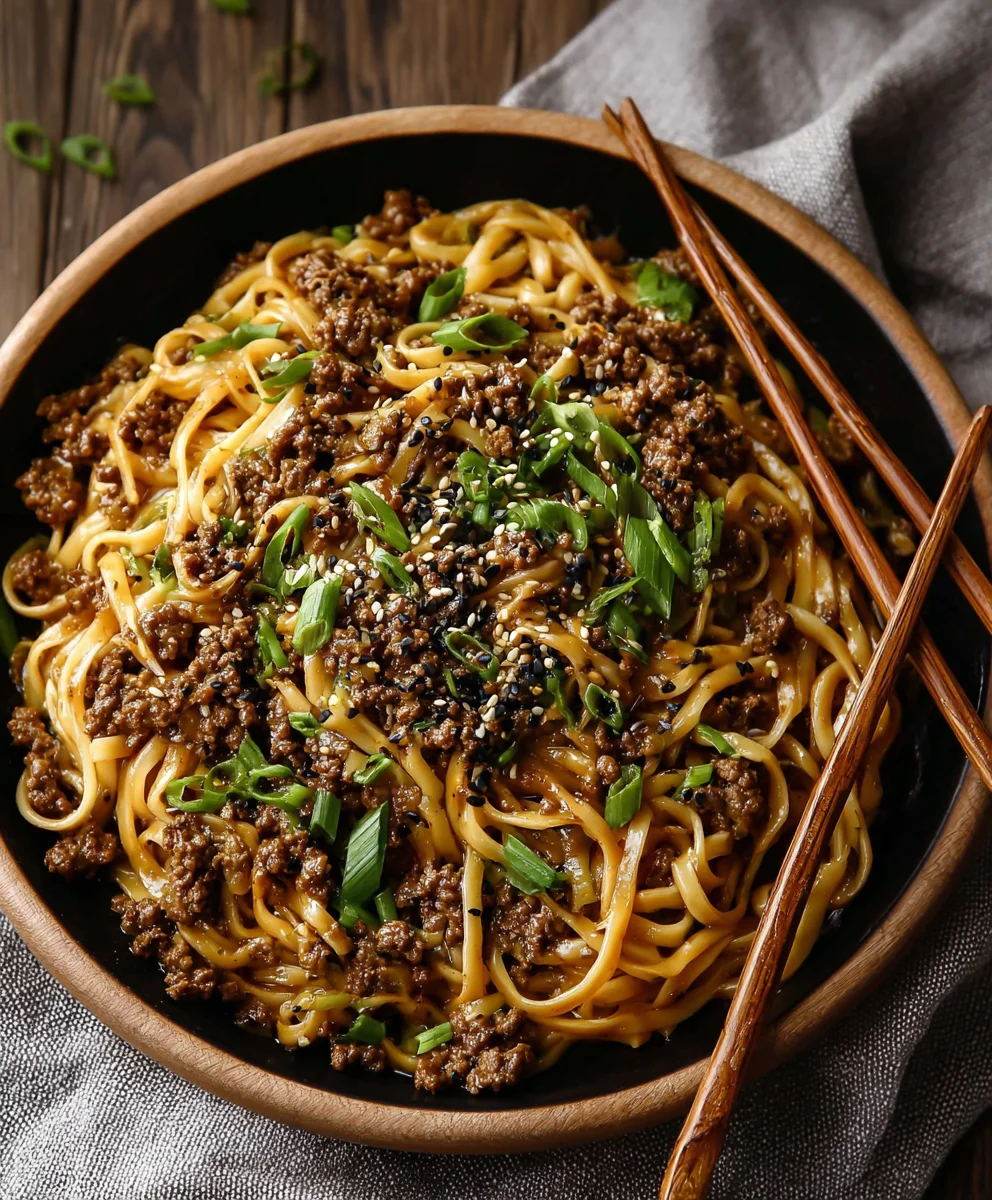
Ingredients:
- 1 lb ground beef
- 5 cloves garlic, minced
- 1/3 cup brown sugar
- 1/4 cup beef broth
- 1/3 cup soy sauce
- 3 tablespoons hoisin sauce
- 1/2 teaspoon ground gin extractger
- 1/2 teaspoon ground black pepper
- Pinch of red pepper flakes (optional for a spicy kick)
- 10 oz linguine
- 1 tablespoon cornstarch
- 2 tablespoons water
- 4 green onions, sliced for garnish
Preparing the Mongolian Ground Beef Noodles
This recipe for Mongolian Ground Beef Noodles is designed for maximum flavor with minimal fuss. It’s a fantastic weeknight meal that delivers on savory, slightly sweet, and satisfying notes. We’ll start by getting our sauce components ready, then move on to cooking the beef and noodles, and finagin extract bringing it all together for a delicious, cohesive dish.
Cooking the Noodles
First things first, let’s get our pasta cooking. You’ll need a large pot for this. Fill it with plenty of water, add a generous pinch of salt (this is crucial for flavoring the pasta from the inside out!), and bring it to a rolling boil over high heat. Once the water is vigorously boiling, carefully add your 10 oz of linguine. Give it a good stir immediately to prevent the strands from sticking together.
Refer to the linguine package instructions for the exact cooking time, but generally, you’re aiming for al dente – tender but with a slight bite. This usually takes around 8-10 minutes. While the pasta is cooking, it’s a good time to start on the beef and sauce. Just before draining, reserve about 1/2 cup of the starchy pasta water. This magical liquid can be used later to help loosen up the sauce if needed, and it adds a lovely silkiness. Drain the linguine thoroughly in a colander and set it aside. You can toss it with a tiny drizzle of olive oil if you’re worried about it sticking while you finish the rest of the dish, but it’s usually not necessary if you’re moving quickly.
Browning the Ground Beef
Now, let’s get to the heart of our Mongolian Ground Beef Noodles. Grab a large skillet or wok and place it over medium-high heat. Add your 1 lb of ground beef. We want to brown this thoroughly, breaking it up as it cooks. Use a spoon or spatula to crum extractble the beef into smaller pieces. Cook until all the pink is gone and the beef is nicely browned. This browning process is key to developing a rich flavor in our dish. Once browned, carefully drain off any excess grease from the skillet. We don’t want a greasy final product, just savory beef bits.
Building the Mongolian Sauce
With the beef browned and drained, it’s time to build that signature Mongolian sauce. Reduce the heat to medium. To the skillet with the ground beef, add the minced garlic. Sauté the garlic for about 30 seconds to a minute, just until it’s fragrant. Be careful not to burn it, as burnt garlic can turn bitter. Next, pour in the 1/3 cup of soy sauce, the 1/4 cup of beef broth, and the 3 tablespoons of hoisin sauce. Hoinsin sauce is a cornerstone of this flavor profile, offering a complex sweetness and depth.
Stir in the 1/3 cup of brown sugar. The sugar helps to balance the saltiness of the soy sauce and provides that characteristic sweet and savory balance of Mongolian cuisine. Add the 1/2 teagin extracton of ground ginger for its warming spice and the 1/2 teaspoon of ground black pepper for a little pungent kick. If you like a bit of heat, now is the time to add the pinch of red pepper flakes. Stir everything together well, ensuring the brown sugar is dissolving into the liquids. Let this sauce simmer gently for about 2-3 minutes, allowing the flavors to meld together.
Thickening the Sauce
To achieve that perfect glossy, clingy sauce that coats every strand of pasta and piece of beef, we need to thicken it. In a small bowl, whisk together the 1 tablespoon of cornstarch with the 2 tablespoons of water. This mixture, known as a cornstarch slurry, will be our thickening agent. Make sure there are no lumps of cornstarch.
Once the sauce in the skillet has simmered for a few minutes, slowly pour in the cornstarch slurry while continuously stirring the beef and sauce. Keep stirring for another minutgin extractr two as the sauce begins to thicken. You’ll notice it transforming from a thin liquid to a more viscous, glossy consistency that will beautifully coat the back of a spoon. Continue to cook until the sauce reaches your desired thickness. If it gets too thick, you can always add a splash of your reserved pasta water or a little more beef broth to thin it out.
Combining and Finishing
Now for the grand finnon-alcoholic ale! Add the drained linguine directly into the skillet with the thickened Mongolian beef sauce. Gently toss everything together using tongs or two large spoons, ensuring every strand of linguine and every piece of ground beef is thoroughly coated in the rich, flavorful sauce. Continue to toss over low heat for another minute or two, allowing the noodles to absorb some of the delicious sauce. This final step ensures the flavors are truly integrated. Taste and adjust seasoning if necessary – perhaps a tiny bit more soy sauce for saltiness or a touch more brown sugar for sweetness.
To serve your magnificent Mongolian Ground Beef Noodles, divide the saucy pasta and beef mixture among bowls. Generously garnish each serving with the sliced green onions. The fresh, sharp bite of the green onions provides a wonderful contrast to the rich, savory sauce. This dish is best enjoyed immediately, hot and fresh. It’s a complete meal that’s incredibly satisfying and surprisingly quick to make, proving that gourmet flavors can indeed grace your dinner table on a busy evening.
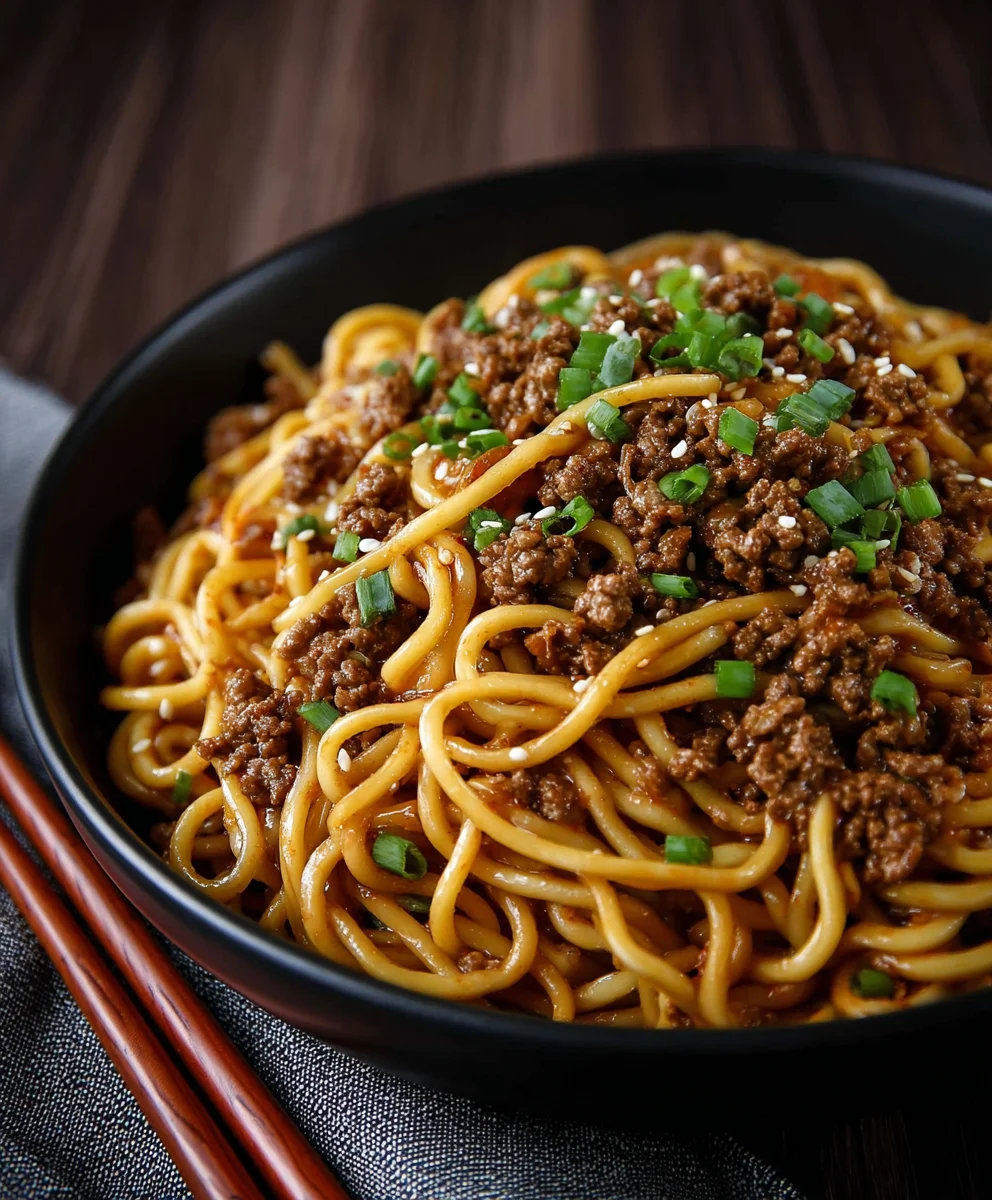
Conclusion:
And there you have it – your delicious and satisfying plate of Mongolian Ground Beef Noodles! We’ve journeyed through creating this flavor-packed dish, and I hope you’re excited to give it a try. This recipe is a fantastic weeknight meal, bringin extractg together savory ground beef, a rich and slightly sweet sauce, and tender noodles in a way that’s sure to please everyone. The simplicity of the ingredients and the straightforward steps make it accessible evegin extractor beginner cooks.
For serving, I love to garnish my Mongolian Ground Beef Noodles with a sprinkle of toasted sesame seeds and thinly sliced green onions for that extra burst of freshness and texture. A side of steamed broccoli or bok choy also complements the richness beautifully. Don’t be afraid to experiment with this recipe! You can easily swap the ground beef for ground chicken or turkey, or even use firm tofu for a vegetarian option. For those who like a little heat, a pinch of red pepper flakes added to the sauce will do the trick.
I truly encourage you to dive in and make this Mongolian Ground Beef Noodles recipe your own. It’s a testament to how simple ingredients can create something truly memorable. Happy cooking!
Frequently Asked Questions:
Can I make the sauce ahead of time?
Absolutely! The sauce for Mongolian Ground Beef Noodles can be made a day or two in advance and stored in an airtight container in the refrigerator. This can save you even more time when you’re ready to cook the dish.
What kind of noodles are best for this recipe?
While many types of noodles work well with Mongolian Ground Beef Noodles, egg noodles or ramen noodles are particularly popular due to their ability to soak up the delicious sauce. You can also use spaghetti or linguine in a pinch.
Quick Mongolian Ground Beef Noodles
A quick and flavorful weeknight meal featuring savory and slightly sweet Mongolian-style ground beef tossed with linguine. This recipe is designed for maximum taste with minimal effort.
Ingredients
-
1 lb ground beef
-
5 cloves garlic, minced
-
1/3 cup brown sugar
-
1/4 cup beef broth
-
1/3 cup soy sauce
-
3 tablespoons hoisin sauce
-
1/2 teaspoon ground ginger
-
1/2 teaspoon ground black pepper
-
Pinch of red pepper flakes (optional for a spicy kick)
-
10 oz linguine
-
1 tablespoon cornstarch
-
2 tablespoons water
-
4 green onions, sliced for garnish
Instructions
-
Step 1
Cook linguine according to package directions in salted boiling water until al dente. Reserve 1/2 cup of pasta water before draining. Set noodles aside. -
Step 2
In a large skillet or wok over medium-high heat, brown the ground beef, breaking it up as it cooks. Drain off excess grease. -
Step 3
Reduce heat to medium, add minced garlic to the skillet with the beef, and sauté until fragrant (about 30-60 seconds). Pour in soy sauce, beef broth, and hoisin sauce. Stir in brown sugar, ground ginger, black pepper, and red pepper flakes (if using). Simmer for 2-3 minutes. -
Step 4
In a small bowl, whisk together cornstarch and water to create a slurry. Slowly pour the slurry into the simmering sauce while stirring constantly until thickened and glossy. -
Step 5
Add the drained linguine to the skillet with the Mongolian beef sauce. Toss well to coat all noodles and beef. Cook for another 1-2 minutes over low heat to allow flavors to meld. Add reserved pasta water if needed to loosen the sauce. -
Step 6
Serve immediately, garnished with sliced green onions.
Important Information
Nutrition Facts (Per Serving)
It is important to consider this information as approximate and not to use it as definitive health advice.
Allergy Information
Please check ingredients for potential allergens and consult a health professional if in doubt.