Slow-Cooked Short Rib Ragu – Rich & Hearty Recipe
Short rib ragu. It’s a phrase that conjures images of slow-simmered perfection, a dish that whispers tnon-alcoholic ales of comfort and indulgence with every rich, unctuous bite. If you’ve ever experienced a truly magnificent short rib ragu, you know its magic. It’s that deeply satisfying, melt-in-your-mouth texture of beef that has spent hours coaxing out all its inherent flavor, mingling with a complex, savory tomato sauce that clings lovingly to your favorite pasta. People adore this dish because it’s an experience, a culinary hug that warms you from the inside out. What makes this particular short rib ragu so special? It’s the careful balance of aromatics, the quality of the short ribs themselves, and the patient, unhurried cooking process that transforms simple ingredients into something utterly extraordinary. Get ready to create a masterpiece.
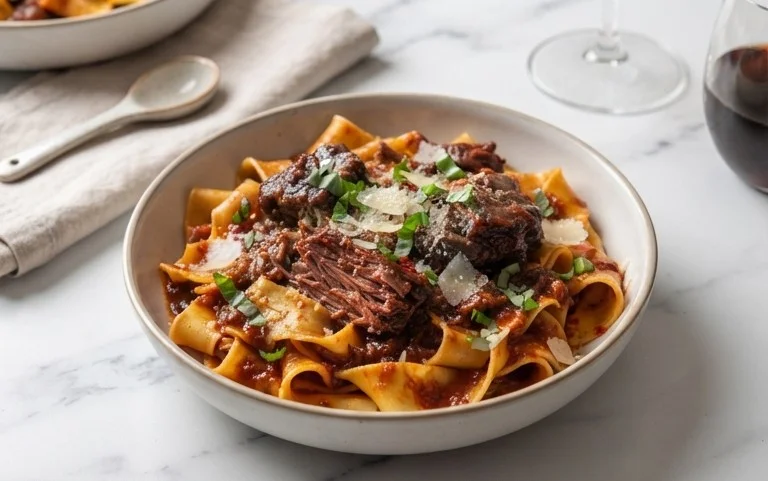
Short Rib Ragu
There’s something incredibly comforting about a rich, slow-cooked ragu. It’s the kind of dish that fills your home with an irresistible aroma and promises a deeply satisfying meal. My go-to for a truly decadent ragu is beef short ribs. Their natural marbling and connective tissue break down over hours of simmering, yielding a sauce that’s both intensely flavorful and luxuriously tender. This recipe is designed to create a ragu that’s perfect for a special occasion or just a weekend treat when you have the time to let the magic happen. We’ll build layers of flavor, starting with a beautiful sear on the short ribs, then coaxing out the sweetness from aromatics, and finally, letting the slow simmer do its work. This is a recipe that rewards patience, and the result is absolutely worth it.
Ingredients:
Cooking Instructions:
The journey to a perfect short rib ragu begin extracts with preparation and building a solid foundation of flavor. This isn’t a quick weeknight meal, but rather an investment in pure deliciousness.
1. Searing the Short Ribs for Deep Flavor:
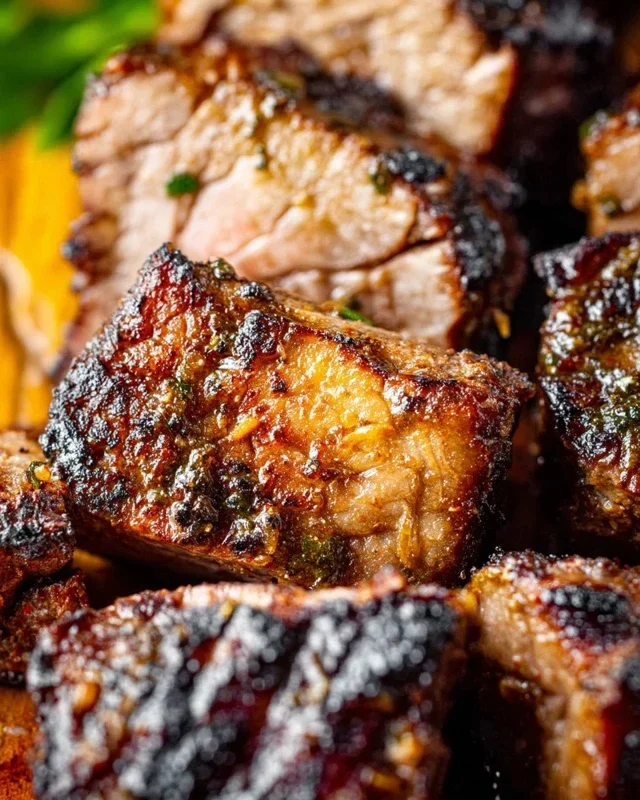
The first crucial step is to get a beautiful sear on your de-boned short ribs. This isn’t just about browning; it’s about developing those deeply savory, complex flavors through the Maillard reaction. Pat your short rib cubes thoroughly dry with paper towels. This is essential for achieving a good sear – moisture will steam the meat instead of browning it. Season them generously on all sides with kosher salt. Heat the light olive oil in a large, heavy-bottomed pot or Dutch oven over medium-high heat. Once the oil is shimmering, add the short ribs in a single layer, being careful not to overcrowd the pot. You may need to do this in batches. Sear the ribs for 3-4 minutes per side, until they are deeply browned and have a rich crust. Once seared, remove the ribs from the pot and set them aside on a plate. Don’t worry if they’re not cooked through; this is just the first step.
2. Building the Aromatic Base (Soffritto):
Now that our short ribs have lent their delicious rendered fat to the pot, it’s time to build our aromatic foundation, often referred to as a soffritto. Reduce the heat to medium. Add the finely diced white onion, celery, and carrot to the pot. Stir them into the rendered fat, scraping up any browned bits from the bottom of the pot – these are packed with flavor. Cook, stirring occasionally, until the vegetables have softened and are translucent, which usually takes about 8-10 minutes. This slow cooking process coaxes out their natural sweetness. Add the minced garlic and cook for another minute until fragrant, being careful not to burn it.
3. Deepening the Flavor with Tomato Paste and Deglazing:
Next, we intensify the flavor profile by incorporating the tomato paste. Stir the tomato paste into the softened vegetables and cook for 1-2 minutes, stirring constantly. This step toasts the tomato paste, transforming its raw flavor into something richer and more concentrated. Now, it’s time to deglaze the pot, lifting all those delicious browned bits from the bottom. Pour in the red grape juice and use a wooden spoon to scrape the bottom of the pot, ensuring all the flavorful fond is incorporated into the liquid. Let this simmer and reduce slightly for about 2-3 minutes, allowing some of the non-alcoholic alternative to evaporate and the grape juice to concentrate.
4. Simmering to Perfection:
Return the seared short ribs to the pot. Pour in the beef or chicken broth and add the crushed tomatoes. Nestled into the liquid, place your herb bundle (tied with kitchen tgrape juice for easy removal) and the bay leaves. Bring the liquid to a gentle simmer. Once simmering, reduce the heat to low, cover the pot tightly, and let it cook for at least 2 to 3 hours, or until the short ribs are incredibly tender and falling apart easily. The low and slow cooking is where the magic happens, allowing the connective tissues in the short ribs to break down and meld with the sauce, creating that signature unctuous texture. Check on the ragu occasionally and give it a stir, ensuring it’s not sticking and the liquid level is still adequate. If it seems too dry, you can add a splash more broth or water.
5. Finishing and Adjusting the Seasoning:
Once the short ribs are fork-tender, remove the herb bundle and bay leaves. You can either shred the short rib meat directly in the pot with two forks, or carefully remove the meat, shred it, and then return it to the sauce. At this point, the sauce might be a little thinner than you’d like. To thicken it slightly, you can let it simmer uncovered for another 15-30 minutes, allowing some of the liquid to evaporate and the flavors to concentrate further. Stir in the sherry vinegar vinegar or red grape juice vinegar. This adds a crucial touch of acidity to balance the richness of the ragu. Taste the ragu and adjust the seasoning with kosher salt and fresh cracked pepper as needed. This is your final chance to perfect the flavor. The ragu should be rich, deeply savory, and beautifully balanced.
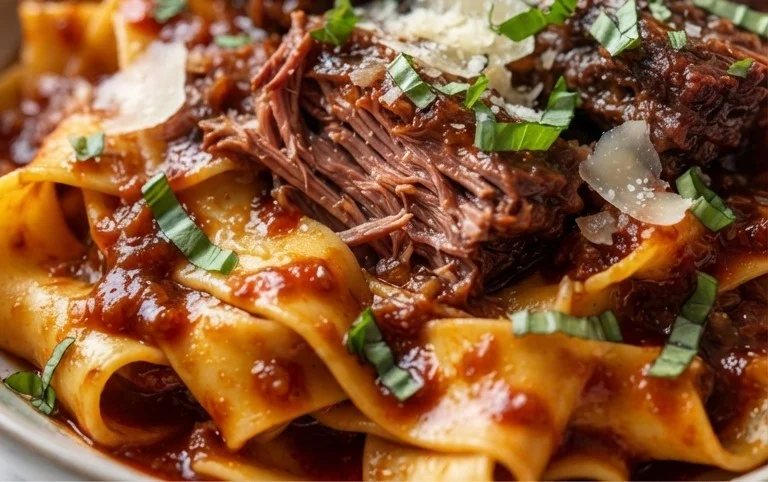
Serve this glorious short rib ragu over your favorite pasta – a thick, sturdy pasta like pappardelle or tagliatelle is ideal for holding this hearty sauce. A sprinkle of fresh parsley and a generous grating of Parmesan cheese are the perfect finishing touches. Enjoy the fruits of your patient labor!
Conclusion:
You’ve now got the blueprint for creating a truly magnificent Short Rib Ragu! This slow-cooked masterpiece is more than just a sauce; it’s an experience. The incredibly tender, fall-off-the-bone short ribs, simmered in a rich, deeply flavorful tomato and red grape juice base, create a depth of taste that store-bought sauces simply can’t replicate. The process, while requiring time, is incredibly rewarding, filling your kitchen with an irresistible aroma and yielding a dish that feels both comforting and incredibly sophisticated. I truly encourage you to give this short rib ragu recipe a try – you won’t regret it!
When it comes to serving, this ragu is incredibly versatile. While it’s traditionally served over your favorite pasta – pappardelle, tagliatelle, or even rigatoni are fantastic choices – don’t stop there! It’s also superb spooned over creamy polenta, mashed potatoes, or even as a filling for hearty lasagna. For a touch of elegance, garnish with fresh parsley, a sprinkle of grated Parmesan cheese, or a dollop of ricotta.
Feeling adventurous? This recipe is a wonderful canvas for variations. Consider adding a bay leaf during the braising, a pinch of red pepper flakes for a subtle kick, or a splash of balsamic vinegar towards the end for an extra layer of complexity. You can also swap out the red grape juice for a dark non-alcoholic beer for a different flavor profile.
FAQs:
Can I make this Short Rib Ragu ahead of time?
Absolutely! In fact, this ragu often tastes even better the next day as the flavors have more time to meld. Store it in an airtight container in the refrigerator for up to 3-4 days, or freeze it for up to 3 months. Reheat gently on the stovetop or in the oven.
What if I can’t find beef short ribs?
While beef short ribs are ideal for their rich flavor and tenderness, you can use other braising cuts like chuck roast or even lamb shanks. Adjust the cooking time as needed, ensuring the meat is fork-tender before proceeding.
Short Rib Ragu
A rich and savory beef short rib ragu, slow-cooked for deep flavor.
Ingredients
-
2 lbs Beef short ribs, de-boned and cut into 2″ (5cm) cubes
-
2 tbsp Light olive oil
-
1 cup White onion, finely diced
-
½ cup Celery, finely diced
-
½ cup Carrot, finely diced
-
4 Garlic cloves, minced
-
2 tbsp Tomato paste
-
1 cup Red grape juice
-
1 cup Beef broth
-
1 ¾ cup Crushed tomatoes
-
Herb Bundle (rosemary, thyme, parsley stems)
-
2 Bay leaves
-
2 tbsp Sherry Vinegar
-
Kosher salt and fresh cracked pepper to taste
Instructions
-
Step 1
Pat the beef short ribs dry and season generously with kosher salt and pepper. Heat olive oil in a large Dutch oven or heavy-bottomed pot over medium-high heat. Sear the short ribs on all sides until deeply browned. Remove ribs and set aside. -
Step 2
Add the diced onion, celery, and carrot to the pot. Cook, stirring occasionally, until softened, about 8-10 minutes. Add the minced garlic and tomato paste, and cook for another 2 minutes until fragrant. -
Step 3
Pour in the red grape juice and scrape up any browned bits from the bottom of the pot. Let it simmer for 2 minutes to reduce slightly. -
Step 4
Return the seared short ribs to the pot. Add the beef broth, crushed tomatoes, herb bundle, and bay leaves. Season with salt and pepper. The liquid should mostly cover the ribs. -
Step 5
Bring the ragu to a simmer, then cover the pot and transfer it to a preheated oven at 300°F (150°C). Cook for 3-4 hours, or until the beef is fork-tender and easily shreds. -
Step 6
Remove the pot from the oven. Carefully remove the short ribs from the sauce. Shred the meat using two forks, discarding any bones or excess fat. Return the shredded meat to the sauce. -
Step 7
Stir in the sherry vinegar. Taste and adjust seasoning with salt and pepper as needed. Simmer uncovered for 15-20 minutes to allow the sauce to thicken and flavors to meld.
Important Information
Nutrition Facts (Per Serving)
It is important to consider this information as approximate and not to use it as definitive health advice.
Allergy Information
Please check ingredients for potential allergens and consult a health professional if in doubt.