Colorado Green Chili Recipe-Authentic Chili Verde
Colorado Green Chili, also known affectionately as Chili Verde, is more than just a dish; it’s a vibrant hug from the Rocky Mountains in a bowl. Forget the crimson hues of traditional chili; this is a celebration of emerald goodness, bursting with the bright, zesty flavors that define true comfort food for so many of us. What makes this particular iteration so beloved? It’s the perfect harmony of tender, slow-cooked beef or chicken, melded with the earthy, slightly spicy bite of roasted green chilies, all swimming in a rich, savory broth. Unlike its red counterpart, Colorado Green Chili offers a refreshing tang, a welcome departure that keeps you coming back for more, spoon after delightful spoon. Its unique character lies in the fresh ingredients and the patient process, transforming simple components into something truly extraordinary.
Why We Adore Colorado Green Chili
A Taste of the Rockies
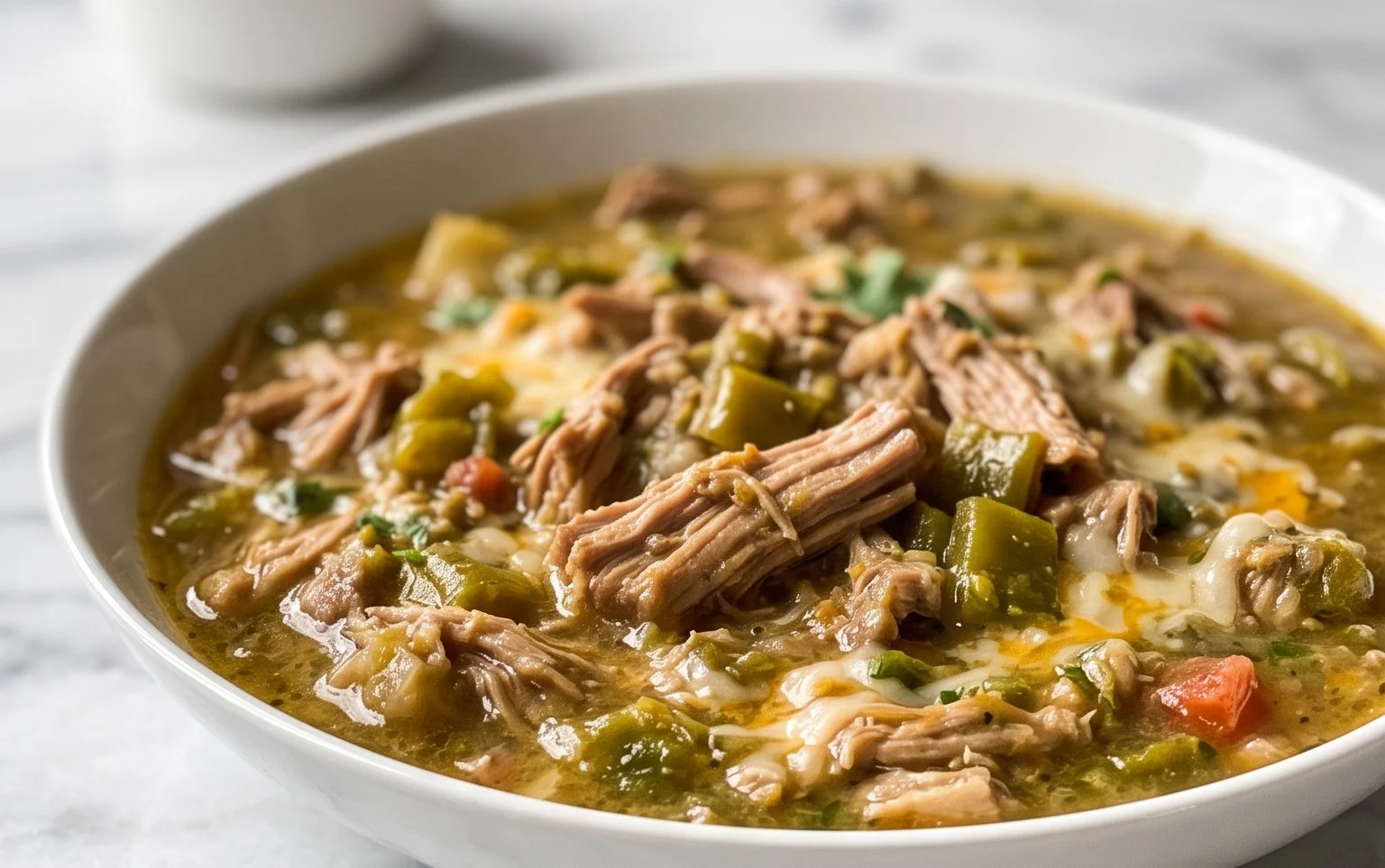
Colorado Green Chili (Chili Verde)
There’s something truly special about a hearty bowl of Colorado Green Chili, also affectionately known as Chili Verde. It’s a dish that embodies the spirit of the Centennial State – robust, flavorful, and deeply satisfying. Forget those tomato-heavy chilis; this version is all about the bright, zesty, and slightly smoky notes of roasted green chilis. It’s the perfect comfort food for a crisp evening, a game day gathering, or simply when you’re craving something truly delicious and authentic. The beauty of this recipe lies in its simplicity and the way the ingredients meld together to create a symphony of flavors. While the base is straightforward, the depth of flavor comes from the roasting of the chilis and the slow braising of the beef.
Ingredients:
Cooking Instructions
Let’s get started on creating this flavorful masterpiece. The key to an exceptional Green Chili is to build layers of flavor throughout the cooking process.
1. Preparing the Beef and Aromatics
First, we’ll prepare our beef. Trim any excess fat from the beef roast and cut it into roughly 1-inch cubes. Season these cubes generously with 1 teaspoon of salt and 1 teaspoon of pepper. In a large, heavy-bottomed pot or Dutch oven, heat the 2 tablespoons of olive oil over medium-high heat. Once the oil is shimmering, add the seasoned beef cubes in batches. You don’t want to overcrowd the pot, as this will steam the meat instead of searing it. Sear the beef on all sides until it’s nicely browned. This browning process, known as the Maillard reaction, is crucial for developing deep flavor in the chili. Remove the browned beef from the pot and set it aside.
In the same pot, add the diced yellow onion and sauté over medium heat until it softens and becomes translucent, about 5-7 minutes. Add the 2 teaspoons of minced garlic and cook for another minute until fragrant, being careful not to burn it.
2. Building the Flavor Base
Now, it’s time to deglaze the pot and incorporate the roasted green chilis. Pour in about 1 cup of the chicken broth and scrape up any browned bits stuck to the bottom of the pot. These little bits are packed with flavor! Add the 2 cups of roasted and chopped green chilis to the pot. If you haven’t roasted your own chilis, you can often find pre-roasted ones at specialty grocery stores or even in the freezer section. The roasting process imparts a lovely smoky sweetness that is essential for this dish. Stir in the 1 tablespoon of cumin, 1/2 teaspoon of Mexican oregano, and the pinch of ground cloves. These spices will bloom in the heat, releasing their aromatic oils and infusing the chili with warm, earthy notes.
3. Slow Braising for Tenderness
Return the seared beef cubes to the pot. Add the 1 1/2 cups of tomatillo salsa. The salsa adds a delightful tangin extractess and further enhances the green flavor profile. Pour in the remaining 6 cups of chicken broth. Stir everything together well, ensuring the beef is mostly submerged in the liquid. Bring the mixture to a simmer, then reduce the heat to low, cover the pot tightly, and let it gently braise for at least 2 hours, or until the beef is fork-tender. This slow cooking process allows the tough connective tissues in the beef to break down, resulting in incredibly tender and succulent meat. You can even braise it for longer if you have the time; the flavors will only deepen.
4. Adding the Potatoes and Finishing Touches
After the beef has been braising for about 2 hours and is tender, add the 2 large potatoes, peeled and cubed. Ensure the potatoes are fully submerged in the liquid. Continue to simmer, covered, for another 30-45 minutes, or until the potatoes are tender when pierced with a fork. This is when the chili really starts to come together.
5. Thickening and Serving
Once the potatoes are cooked, it’s time to achieve the perfect chili consistency. In a small bowl, whisk together about 2 tablespoons of masa flour with a few tablespoons of cool water until you have a smooth slurry. Slowly whisk this slurry into the simmering chili. Continue to simmer, stirring occasionally, for about 10-15 minutes, or until the chili has thickened to your desired consistency. Masa flour is a traditional thickener for Mexican dishes and provides a subtle corn flavor that complements the chili beautifully. If you don’t have masa flour, you can use a cornstarch slurry, but masa is preferred for authenticity. Finally, stir in the juice of 1 lime. The lime juice adds a burst of freshness and brightness that cuts through the richness of the chili. Taste and adjust seasonings if needed, adding more salt or pepper if desired.
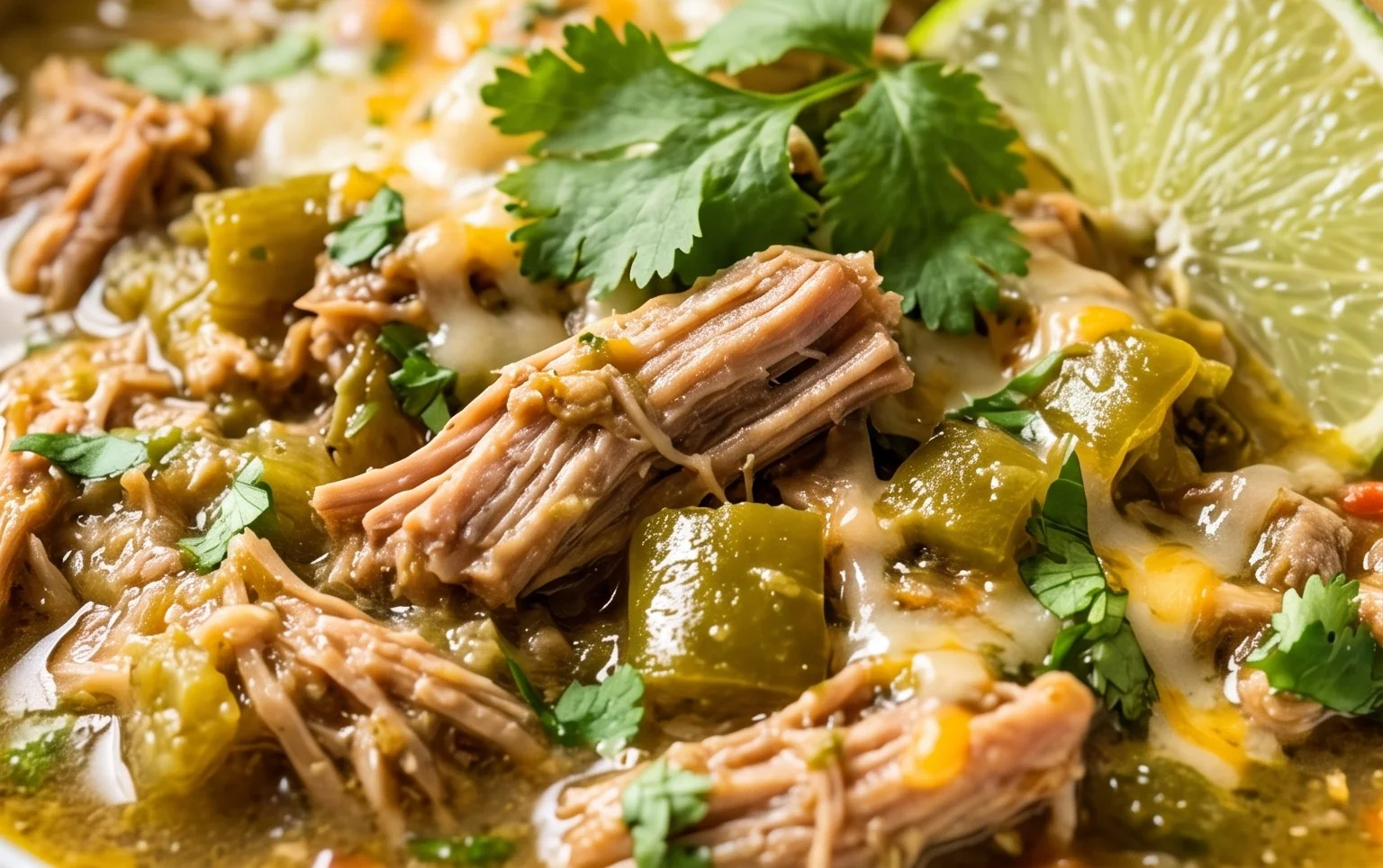
Serve your Colorado Green Chili hot, garnished with your favorite toppings such as shredded cheese, sour cream, fresh cilantro, or diced red onion. It’s also fantastic served alongside warm tortillas or crusty bread. Enjoy this taste of Colorado!
Conclusion:
There you have it – your guide to crafting a truly exceptional Colorado Green Chili (Chili Verde)! This recipe isn’t just about a meal; it’s about unlocking layers of bright, tangy, and deeply savory flavors that dance on your palate. The beauty of this chili lies in its vibrant green hue and the complex taste profile derived from roasted poblanos, tomatillos, and a hint of spice. It’s hearty, satisfying, and surprisingly approachable, making it a perfect centerpiece for a family dinner or a comforting solo indulgence. I truly encourage you to give this Colorado Green Chili a try; the aroma alone as it simmers is enough to make your kitchen feel like home.
Serving this magnificent chili verde is a delight. It’s fantastic spooned over fluffy rice, tucked into warm tortillas for burritos, or as a rich topping for nachos. Don’t forget a dollop of sour cream or Greek yogurt, a sprinkle of fresh cilantro, and perhaps some crum extractbled cotija cheese for the ultimate experience. For variations, feel free to experiment with different chili peppers for heat adjustment, or add a touch of cumin for an earthy undertone. You could also incorporate shredded chicken or beef for an even heartier stew. This recipe is a fantastic starting point for your own chili adventures!
Frequently Asked Questions:
Can I make this Colorado Green Chili ahead of time?
Absolutely! In fact, the flavors of this Colorado Green Chili meld and deepen beautifully when made a day in advance. Simply let it cool completely, then store it in an airtight container in the refrigerator. Reheat gently on the stovetop or in the microwave, adding a splash of water or broth if it has become too thick.
What can I use if I can’t find fresh tomatillos?
If fresh tomatillos are unavailable, you can often find them canned in the international aisle of most grocery stores. Drain them well before adding them to the recipe. While the fresh flavor is often preferred, canned tomatillos will still yield a delicious chili verde.
How spicy is this Colorado Green Chili typically?
The heat level can vary depending on the specific poblanos you use. Poblanos are generally mild, but occasionally you might get a spicier one. For a milder chili, you can remove more of the seeds and membranes from the poblanos. If you prefer more heat, consider adding a jalapeño or serrano pepper along with the poblanos, adjusting to your personal preference.
Colorado Green Chili (Chili Verde)
A hearty and flavorful Colorado-style green chili made with roasted green chilis, tender beef, and a savory broth. Perfect for a comforting meal.
Ingredients
-
2 cups roasted and chopped green chilis
-
2-3 pound pork shoulder (butt)
-
2 tablespoons olive oil
-
1 teaspoon salt
-
1 teaspoon pepper
-
2 teaspoon minced garlic
-
1 yellow onion (diced)
-
7 cups chicken broth (divided)
-
1 1/2 cups tomatillo salsa (salsa verde)
-
1 tablespoon cumin
-
1/2 teaspoon Mexican oregano
-
1 pinch ground cloves
-
2 large potatoes (peeled and cubed)
-
1 lime (juiced)
-
Masa flour (for thickening)
Instructions
-
Step 1
Trim excess fat from the pork shoulder and cut into 1-inch cubes. Season generously with salt and pepper. -
Step 2
Heat olive oil in a large Dutch oven or heavy-bottomed pot over medium-high heat. Brown the pork cubes in batches until golden brown on all sides. Remove pork and set aside. -
Step 3
Add the diced yellow onion to the pot and cook until softened, about 5-7 minutes. Add minced garlic and cook for another minute until fragrant. -
Step 4
Return the browned pork to the pot. Add 6 cups of chicken broth, tomatillo salsa, cumin, Mexican oregano, and ground cloves. Bring to a simmer, then reduce heat to low, cover, and cook for 2 hours, or until the pork is tender. -
Step 5
Add the cubed potatoes and the remaining 1 cup of chicken broth to the pot. Simmer, covered, for another 30 minutes, or until potatoes are tender. -
Step 6
In a small bowl, whisk together masa flour with a little water to create a slurry. Stir into the chili to thicken. Simmer for 5-10 minutes until thickened to your desired consistency. -
Step 7
Stir in the lime juice. Taste and adjust seasoning if necessary. Serve hot.
Important Information
Nutrition Facts (Per Serving)
It is important to consider this information as approximate and not to use it as definitive health advice.
Allergy Information
Please check ingredients for potential allergens and consult a health professional if in doubt.