Easy French Macaron Recipe-Perfect Homemade Delights
French macarons are truly a culinary masterpiece, and mastering the art of the French macaron recipe can feel like unlocking a secret. These delicate, vibrant, and utterly delightful meringue-based cookies have captured hearts (and taste buds!) worldwide for a reason. Their ethereal crisp exterior that gives way to a soft, chewy interior, sandwiched with luscious fillings, makes them an irresistible treat. What sets the French macaron apart is its sheer elegance; it’s a cookie that demands precision but rewards you with unparalleled beauty and flavor. Whether you’re dreaming of bright pastel hues or rich, decadent chocolate, the journey to creating your own perfect French macaron is both a challenge and an incredibly satisfying adventure.
The Art of the French Macaron: A Step-by-Step Guide to Perfect Little Clouds of Delight
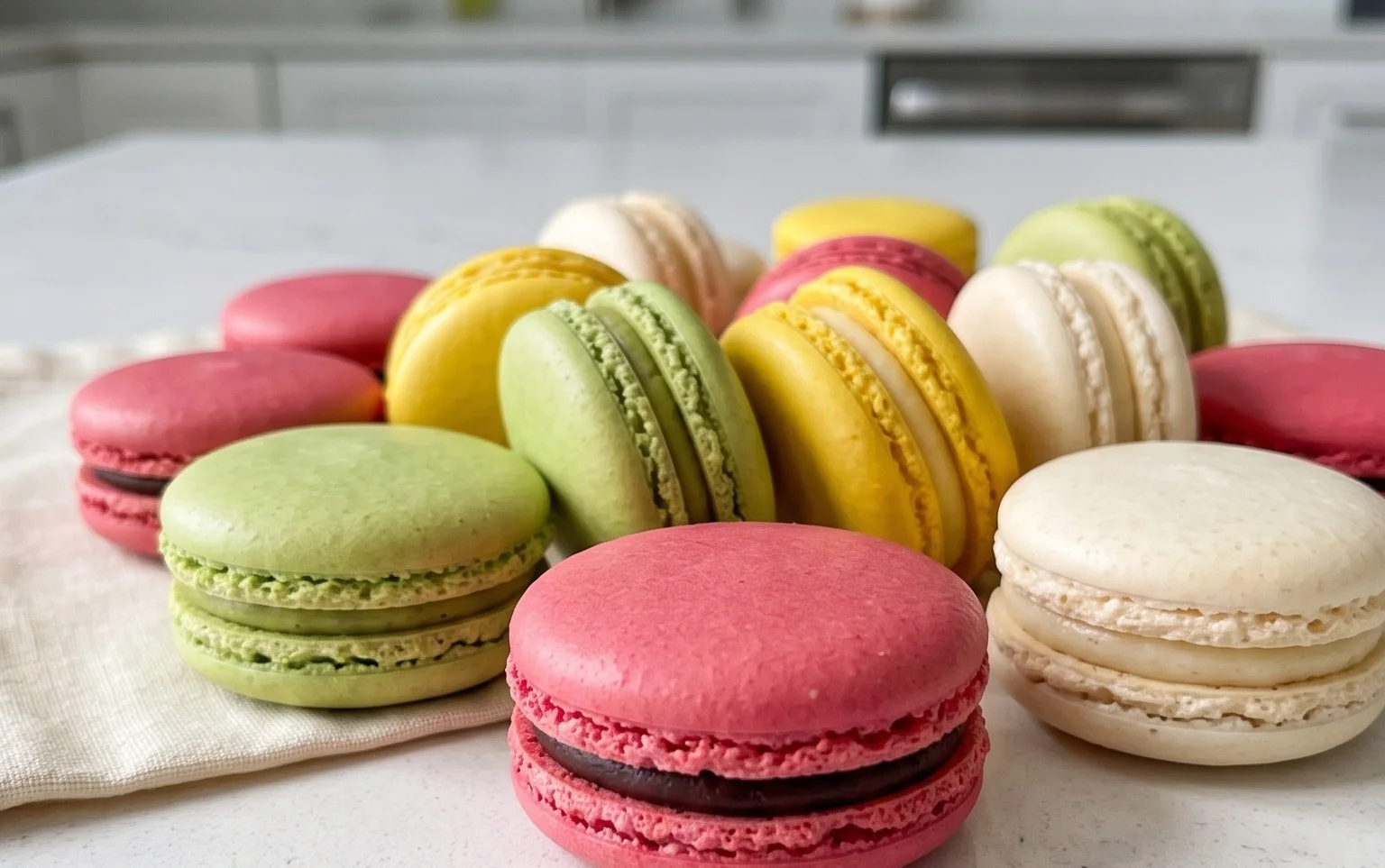
The French macaron. Just the name conjures images of delicate, colorful, perfectly round cookies with a slightly crisp shell and a chewy, melt-in-your-mouth interior, sandwiching a luscious filling. Many home bakers are intimidated by these elegant treats, often deeming them too difficult to master. But I’m here to tell you that with patience, precision, and a little understanding of the science behind them, you too can achieve macaron perfection right in your own kitchen. This recipe, honed through countless batches, will guide you through each crucial step, demystifying the process and empowering you to create these delightful French confections.
Ingredients:
Preparing Your Station and Ingredients
Before we even begin extract to mix, proper preparation is key to macaron success. This is where we lay the foundation for those coveted smooth shells and perfect “feet” – the ruffled edges that signify a well-made macaron.
1. The Importance of Agin extractg Egg Whites: This might sound odd, but agin extractg your egg whites is a critical step. Separate your eggs and place the whites in a clean, airtight container. Refrigerate them for at least 24 hours, and up to 48 hours. This allows some of the water content to evaporate, resulting in a more stable meringue. Before using, let them come to room temperature for about an hour. This also helps them whip up better. If you’re short on time, you can microwave them in a clean bowl for 10-15 seconds, but agin extractg is preferred.
2. Sifting is Non-Negotiable: The almond flour and powdered sugar must be sifted together thoroughly. I recommend sifting at least twice, if not three times, through a fine-mesh sieve. This ensures no lumps remain, which will directly translate to smooth macaron shells. Weigh your almond flour after sifting to ensure accuracy. The salt is also added at this stage. Use a whisk to combine them well after sifting.
3. Preparing Your Baking Sheets: Line your baking sheets with parchment paper or silicone baking mats. If using parchment, I highly recommend drawing circles on the underside of the paper, about 1.5 inches in diameter, to guide your piping. This ensures uniform macaron sizes. You can use a template or a round cookie cutter to create these.
Crafting the Macaron Batter (The Macaronage)
This is arguably the most delicate part of the macaron-making process, often referred to as “macaronage.” It’s the process of folding the dry ingredients into the meringue until the batter reaches the perfect consistency.
4. Whipping the Meringue: In a clean, dry bowl of a stand mixer fitted with the whisk attachment (or using a hand mixer), begin extract whipping the room-temperature egg whites on medium speed. Once they become foamy, gradually add the granulated sugar, a tablespoon at a time, while the mixer is still running. Continue whipping until you achieve stiff, glossy peaks. This means when you lift the whisk, the meringue should stand straight up without drooping. The sugar should be completely dissolved. You can test this by rubbing a little meringue between your fingers; it shouldn’t feel gritty.
5. Achieving the Perfect Consistency: This is where the “macaronage” truly begin extracts. Add the vanilla extract and food coloring to the meringue and whisk briefly to incorporate. Now, add about one-third of your sifted almond flour and powdered sugar mixture to the meringue. Using a rubber spatula, gently fold the dry ingredients into the meringue. Use a motion that scrapes down the sides of the bowl and then folds the batter over itself, as if you’re drawing a “J.” Repeat this process with the remaining dry ingredients, dividing them into two more additions. Be careful not to overmix! The batter should flow off the spatula in a thick, ribbon-like stream that slowly melts back into itself. A good test is the “figure-eight” test: when you lift the spatula, the batter should fall in a continuous ribbon, and you should be able to draw a figure-eight with the falling batter without it breaking. If it breaks immediately, you’ve likely undermixed. If it’s too stiff and doesn’t flow, you’ve overmixed.
Piping and Baking for Perfect Feet
Once your batter is just right, it’s time to shape and bake these delicate cookies.
6. Piping Uniform Shells: Transfer the macaron batter into a piping bag fitted with a large round tip (about 1/2 inch). Hold the piping bag perpendicular to your prepared baking sheet and pipe small, uniform circles within the drawn guides. As you pipe, try to stop before you reach the edge of the circle to avoid spreading too much. Once you’ve piped all your shells, firmly tap the baking sheets on your countertop several times. This helps to release any trapped air bubbles, which can cause cracked shells. You can also gently pop any remaining visible air bubbles with a toothpick.
7. The Crucial Resting Period: Allow the piped macarons to rest at room temperature for 30-60 minutes, or until a skin forms on the surface. You should be able to gently touch the surface without the batter sticking to your finger. This resting period is vital for the formation of the “feet” during baking. Without a proper skin, the macarons will spread too much and not develop those characteristic ruffled edges.
8. Baking to Perfection: Preheat your oven to 300°F (150°C). Bake one tray at a time on the middle rack for approximately 15-18 minutes. The exact time will vary depending on your oven. You’ll know they’re ready when the shells are firm to the touch and don’t wobble when gently nudged. The feet should have risen and be slightly golden. If you’re unsure, you can try to gently lift one macaron; if it comes off the parchment easily, it’s likely done.
Cooling and Filling Your Masterpieces
The final steps are just as important for achieving that signature macaron texture and taste.
9. Cooling and Maturing: Allow the baked macaron shells to cool completely on the baking sheet before attempting to remove them. Once cool, carefully peel them off the parchment. For the best texture, it’s recommended to let the shells “mature” for at least 12-24 hours. Store them in an airtight container at room temperature. This allows the shells to absorb moisture from the filling, softening them and creating that signature chewy interior.
10. Assembling Your Delicious Creations: Once your shells have matured, it’s time to fill them! Pair up similarly sized shells. Pipe or spread your chosen filling (Vanilla Buttercream Frosting is a classic choice) onto the flat side of one shell, and then gently sandwich it with its partner. For the ultimate treat, let the filled macarons sit in the refrigerator for at least an hour before serving to allow the flavors to meld and the shells to soften further.
Enjoy the fruits of your labor! These homemade French macarons are a testament to your patience and dedication, and are sure to impress.
Conclusion:
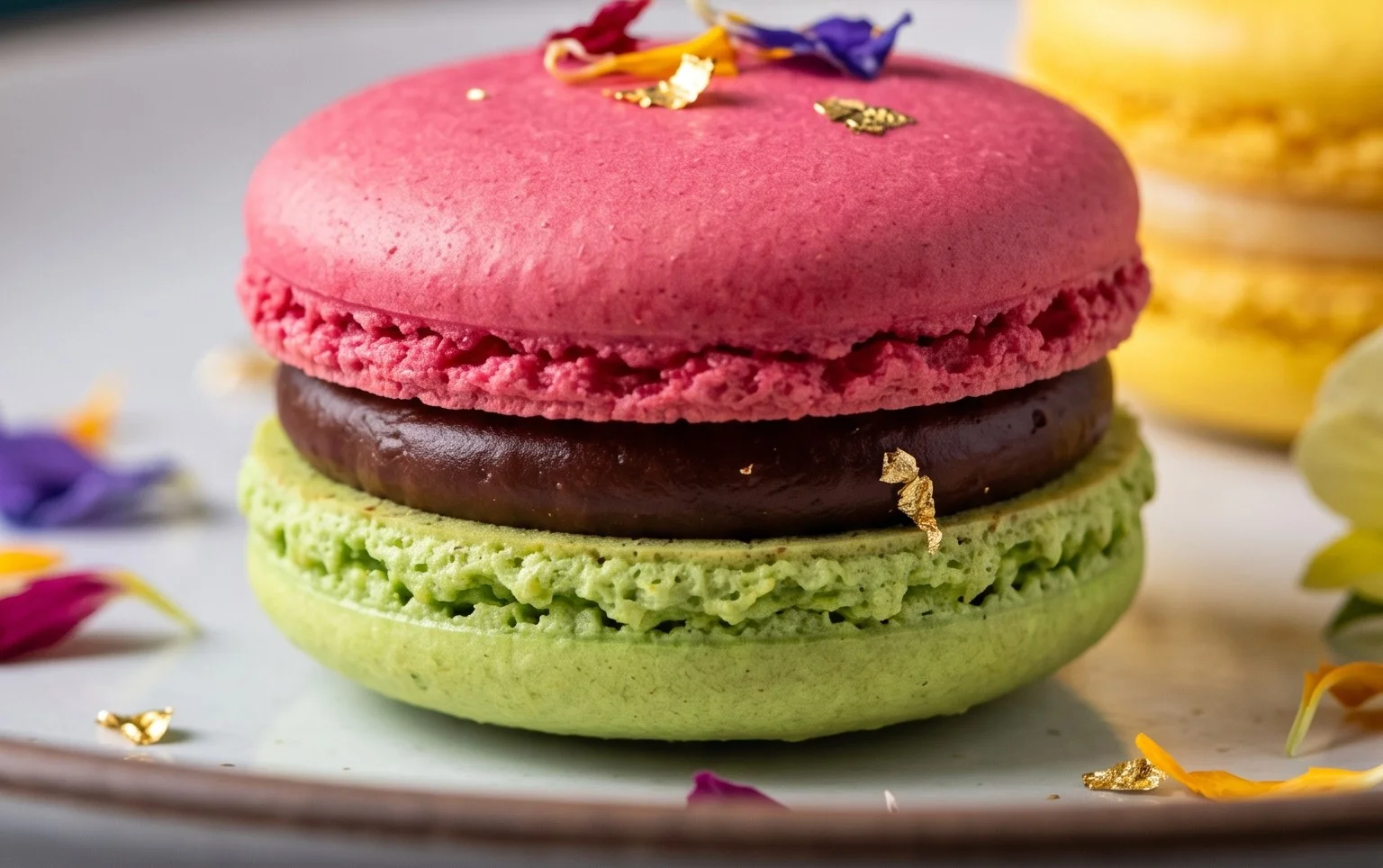
And there you have it – your ultimate guide to creating perfect French macarons from scratch! We’ve walked through each step, from meticulously preparing your meringue to achieving those coveted delicate shells with their signature ruffled feet. This French macaron recipe is truly a triumph of precision and patience, yielding an elegant and utterly delicious treat that’s sure to impress. Imagin extracte the joy of biting into a light, airy shell with a creamy, flavorful filling – it’s a culinary experience worth the effort. These delightful cookies are perfect for special occasions, afternoon tea, or simply as a luxurious everyday indulgence.
Feel free to get creative with your fillings! Classic ganaches, fruit curds, buttercream, and even jam are all fantastic choices. Don’t be afraid to experiment with different flavor combinations and colors to make your macarons uniquely yours. The possibilities are truly endless.
I wholeheartedly encourage you to give this French macaron recipe a try. While they might seem intimidating, the satisfaction of mastering these beautiful confections is immense. With a little practice, you’ll be whipping up batches of these colorful delights like a pro. Happy baking!
Frequently Asked Questions:
Why are my macarons cracking on top?
Cracking often occurs due to oven temperature being too high, not letting the macaron shells rest enough to form a skin before baking, or over-whipping the meringue, making the batter too stiff. Ensure your oven temperature is accurate and let the shells dry to the touch before baking.
My macarons have no feet, what did I do wrong?
Lack of “feet” usually points to an improperly made meringue or overmixing of the batter during the macaronage stage. It’s crucial to achieve a glossy, ribbon-like meringue and to fold the dry ingredients in gently until the batter flows like lava, not too stiff and not too runny.
Can I make macarons ahead of time?
Absolutely! French macarons actually taste even better after a day or two. Once filled, store them in an airtight container in the refrigerator. This allows the moisture from the filling to slightly soften the shells, creating that perfect chewy texture. Bring them to room temperature for about 20-30 minutes before serving for the best flavor and texture.
French Macaron Recipe
A classic French macaron recipe with a delicate meringue shell and a sweet buttercream filling.
Ingredients
-
150 grams sifted super-fine almond flour
-
180 grams powdered sugar
-
1/4 teaspoon salt
-
120 grams large egg whites
-
60 grams granulated sugar
-
4 drops liquid-gel food coloring
-
1 teaspoon pure vanilla extract
-
Vanilla Buttercream Frosting or your choice of filling
Instructions
-
Step 1
In a food processor, pulse the almond flour and powdered sugar together until very fine. Sift this mixture into a bowl, discarding any large pieces. Stir in the salt. -
Step 2
In a clean, dry bowl, whisk the egg whites until foamy. Gradually add the granulated sugar while continuing to whisk, until stiff, glossy peaks form. -
Step 3
Gently fold the food coloring and vanilla extract into the meringue. Be careful not to overmix. -
Step 4
Add about one-third of the almond flour mixture to the meringue and fold until just combined. Repeat with the remaining almond flour mixture in two more additions, folding until the batter flows like lava. -
Step 5
Transfer the batter to a piping bag fitted with a round tip. Pipe small rounds onto baking sheets lined with parchment paper, leaving space between each macaron. -
Step 6
Tap the baking sheets firmly on the counter several times to release air bubbles. Let the macarons sit at room temperature for 30-60 minutes, or until a skin forms. -
Step 7
Preheat oven to 300°F (150°C). Bake for 12-15 minutes, or until the macarons are firm and have developed ‘feet’. -
Step 8
Let the macarons cool completely on the baking sheets before removing. Pair matching shells and fill with your chosen frosting or filling.
Important Information
Nutrition Facts (Per Serving)
It is important to consider this information as approximate and not to use it as definitive health advice.
Allergy Information
Please check ingredients for potential allergens and consult a health professional if in doubt.