Easy Lemon Vinaigrette Dressing Recipe- Simple & Fresh
Basic Lemon Vinaigrette Dressing is your secret weapon in the kitchen. Forget those store-bought bottles filled with who-knows-what! This simple yet sensational dressing is a game-changer for any salad, marinade, or even as a finishing drizzle. What’s not to love about the bright, zesty punch of fresh lemon perfectly balanced with good olive oil? It’s the kind of flavor that instantly elevates everyday meals, turning a humble bowl of greens into something truly special. People adore this basic lemon vinaigrette because it’s incredibly versatile and ridiculously easy to whip up. In mere minutes, you can create a healthier, tastier alternative that truly sings with freshness. This fundamental recipe unlocks a world of culinary possibilities, proving that the most delicious things are often the simplest.
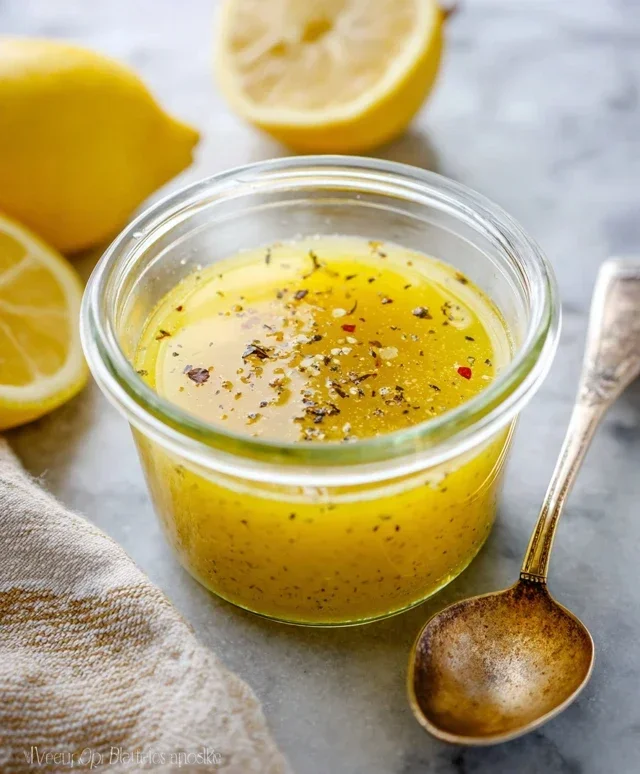
Basic Lemon Vinaigrette Dressing
A truly great salad is more than just a collection of fresh greens and vibrant vegetables; it’s about the perfect dressing to tie it all together. While store-bought options can be convenient, nothing quite compares to the bright, fresh flavor of a homemade vinaigrette. And when it comes to versatility and a universally loved tang, the basic lemon vinaigrette reigns supreme. This isn’t just a dressing; it’s a foundational flavor enhancer that can elevate everything from a simple side salad to a complex grain bowl. It’s incredibly easy to make, requiring just a few pantry staples and a few minutes of your time. Mastering this recipe will unlock a world of delicious possibilities in your kitchen.
The beauty of a lemon vinaigrette lies in its simplicity and the quality of its core components. The acidity of the lemon juice cuts through richness and adds a lively zest, while good quality olive oil provides a smooth, emulsified base. The ratio is key, and while we’ll provide a starting point, don’t be afraid to adjust it to your personal preference. Some like it more tart, others prefer a mellower acidity. This recipe is designed to be your go-to, a dependable classic that you can tweak and customize as you gain confidence.
Let’s talk about the ingredients. The quality of each element will directly impact the final flavor of your dressing. For the olive oil, a good extra virgin extract olive oil is recommended. It has a lovely fruity flavor that complements the lemon beautifully. If you have a milder olive oil you prefer, that works too. The lemon juice should always be freshly squeezed. Bottled lemon juice often has a processed, sometimes metallic taste that will detract from the freshness you’re aiming for. So, grab a few fresh lemons and get ready for that invigorating citrus aroma. Salt and pepper are your essential seasonings, bringin extractg all the flavors into harmony. A touch of Dijon mustard acts as an emulsifier, helping the oil and vinegar to bind together, and also adds a subtle layer of complexity. Finally, a pinch of sugar or a drizzle of honey can be added to balance the acidity, if you find the lemon too sharp.
Ingredients:
Now, let’s get to the heart of it – making this fantastic dressing. This process is so straightforward, you’ll wonder why you ever bought it from a jar. The key is to achieve a good emulsion, where the oil and lemon juice are combined into a creamy, cohesive dressing. There are a couple of methods for this, and both are simple and effective.
Creating Your Vinaigrette
1. Prepare the Lemon Juice: Start by juicing your lemons. Roll the lemons on a hard surface before cutting them in half; this helps to release more juice. You can use a citrus juicer, a fork, or simply squeeze them by hand. Strain the juice through a fine-mesh sieve to remove any seeds and excess pulp. You’ll need about 1/4 cup of juice. This freshness is crucial for the bright, vibrant flavor of your vinaigrette.
2. Combine Wet Ingredients and Seasonings: In a small bowl or a jar with a tight-fitting lid, combine the fresh lemon juice, Dijon mustard, salt, and freshly ground black pepper. If you’re using sugar or honey to balance the acidity, add it at this stage as well. Whisk or shake these ingredients together until they are well combined. The Dijon mustard will start to break down and integrate, helping to emulsify the dressing later.
3. Emulsify with Olive Oil (Whisking Method): This is where the magic happens. While whisking the lemon juice mixture continuously and vigorously, slowly begin extract to drizzle in the extra virgin extract olive oil. Start with just a few drops at a time, and as the mixture begin extracts to thicken and emulsify, you can gradually increase the flow of the oil. Continue whisking until all the olive oil has been incorporated and the dressing is creamy and opaque. You’re looking for a smooth, homogenous mixture where the oil and lemon juice are no longer separating. This whisking action breaks down the oil into tiny droplets that are suspended in the acidic liquid.
4. Emulsify with Olive Oil (Shaking Method): Alternatively, you can use a jar with a tight-fitting lid. Add all the ingredients – lemon juice, Dijon mustard, salt, pepper, and optional sweetener – to the jar. Then, add the olive oil. Secure the lid tightly and shake vigorously for about 30-60 seconds, or until the dressing is well combined and emulsified. This method is often even easier and faster, and it’s great for making larger batches or for when you’re in a hurry. The shaking action achieves the same emulsification as whisking.
5. Taste and Adjust: Once your vinaigrette is emulsified, give it a taste. This is your chance to perfect it. Does it need more salt to bring out the flavors? Is it too tart, and could benefit from a touch more honey or sugar? Perhaps you’d like a bit more zest, in which case you can add a tiny pinch more pepper. Adjust the seasonings until the flavor is exactly to your liking. Remember, the flavors will meld further as it sits.
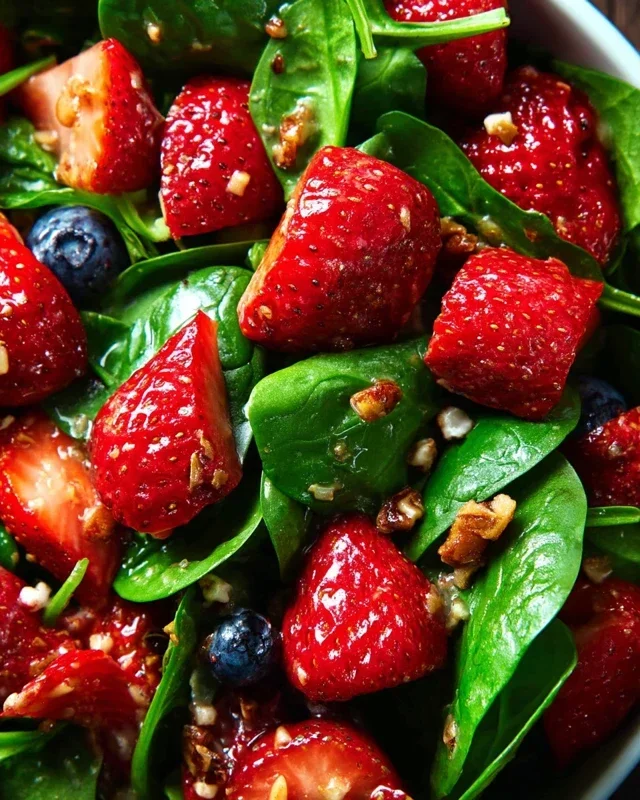
Once made, this basic lemon vinaigrette is incredibly versatile. It’s the perfect dressing for a simple green salad, tossed with a variety of lettuces, cucumbers, and tomatoes. It’s also fantastic on a spinach salad with strawberries and feta, or as a marinade for chicken or fish. You can even drizzle it over roasted vegetables or use it as a base for a more complex salad dressing by adding fresh herbs like parsley, chives, or basil. Store your homemade vinaigrette in an airtight container in the refrigerator for up to a week. The oil and lemon juice may separate over time, so just give it a good shake or whisk before serving. Enjoy the fresh, homemade goodness!
Conclusion:
And there you have it – your ultimate guide to mastering the basic lemon vinaigrette dressing! This recipe is a true kitchen workhorse, incredibly simple to make yet bursting with fresh, vibrant flavor. It’s a testament to how a few high-quality ingredients can create something truly special that elevates any dish. The beauty of this dressing lies in its versatility; it’s not just for salads! Drizzle it over grilled vegetables, use it as a marinade for chicken or fish, or even toss it with pasta for a light and zesty meal. I truly encourage you to give this recipe a try. Once you experience how easy it is to whip up this homemade dressing, you’ll wonder why you ever bought store-bought again!
Feel free to experiment! Consider adding a pinch of Dijon mustard for emulsification and a slight tang, a touch of honey or maple syrup for sweetness, or a sprinkle of dried herbs like oregano or thyme. The possibilities are endless, and personalizing it to your taste is part of the fun!
Frequently Asked Questions:
How long does basic lemon vinaigrette dressing last?
When stored in an airtight container in the refrigerator, your basic lemon vinaigrette dressing should stay fresh for about 1 to 2 weeks. The oil and lemon juice might separate over time, so just give it a good shake before each use.
Can I make this dressing ahead of time?
Absolutely! Making your lemon vinaigrette dressing ahead of time is one of its greatest advantages. It’s perfect for meal prepping your lunches for the week or having a quick dressing ready for unexpected dinner guests.
What are some other great uses for lemon vinaigrette?
Beyond salads, this versatile dressing is fantastic as a marinade for poultry, fish, or tofu. It’s also wonderful drizzled over roasted vegetables, used to deglaze a pan after cooking, or tossed with cooked grains like quinoa or farro for a quick side dish.
Basic Lemon Vinaigrette Dressing
A simple and bright vinaigrette perfect for salads.
Ingredients
-
1/4 cup fresh lemon juice
-
1/2 cup olive oil
-
1 teaspoon Dijon mustard
-
1 clove garlic, minced
-
1/2 teaspoon dried oregano
-
Salt, to taste
-
Black pepper, to taste
Instructions
-
Step 1
In a small bowl, whisk together the fresh lemon juice, Dijon mustard, minced garlic, and dried oregano. -
Step 2
Slowly drizzle in the olive oil while continuously whisking to emulsify the dressing. -
Step 3
Continue whisking until the dressing is well combined and slightly thickened. -
Step 4
Season with salt and black pepper to your preference. -
Step 5
Taste and adjust seasonings if necessary. -
Step 6
Pour into a jar or pour directly onto salad.
Important Information
Nutrition Facts (Per Serving)
It is important to consider this information as approximate and not to use it as definitive health advice.
Allergy Information
Please check ingredients for potential allergens and consult a health professional if in doubt.