Perfect Ramen Eggs Ajitama- Easy Marinated Soft Boiled
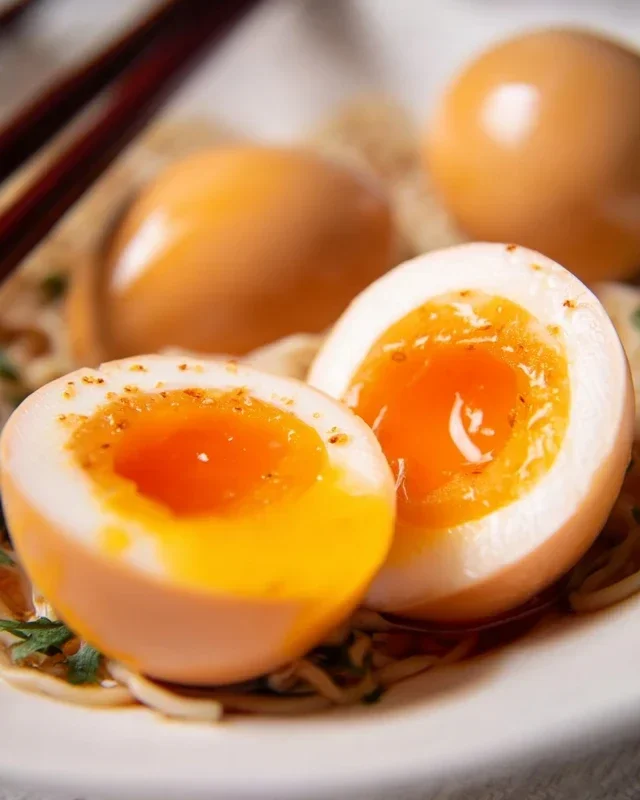
Ramen eggs, known as Ajitama in Japan, are the glistening, jammy-yolked treasures that elevate any bowl of ramen from delicious to truly transcendent. These marinated soft-boiled eggs are more than just a topping; they’re a culinary experience in themselves. Have you ever savored that perfect moment when you slice into an Ajitama, revealing a vibrant, almost molten core that coats your noodles and broth with its rich, savory goodness? That’s the magic! What makes these ramen eggs so incredibly special is the delicate balance achieved through a simple yet profound marinade. The soy sauce, non-alcoholic mirin, and often a touch of non-alcoholic sake or dashi work their alchemy, infusing the egg with a complex umami flavor that’s both deeply satisfying and surprisingly nuanced. They’re deceptively easy to make at home, and once you master this technique, you’ll find yourself reaching for these perfect ramen eggs again and again.
Ramen Eggs (Ajitama)
There’s something truly magical about a perfectly prepared ramen egg, also known as ajitama. The rich, savory yolk that spills out with the slightest pressure, the tender, slightly firm white, all infused with a complex, umami-packed marinade – it’s a simple addition that elevates a bowl of ramen from good to absolutely sublime. Making your own ajitama at home is surprisingly easy, and the results are incredibly rewarding. Forget those chalky, overcooked eggs you might have encountered; we’re aiming for that coveted molten gold center. This recipe focuses on achieving that perfect texture and a deeply flavorful marinade that will have you adding these to more than just ramen.
Ingredients:
Instructions:
Boiling the Eggs to Perfection
The key to a great ramen egg lies in its cooking time. We’re not aiming for hard-boiled, but rather a beautifully soft-boiled egg with a jammy, almost custardy yolk. Start by gently placing your eggs in a pot. You can add a splash of vinegar to the water if you like; it’s believed to help prevent the whites from spreading too much if an egg happens to crack during boiling. Fill the pot with cold water, ensuring the eggs are fully submerged by about an inch. Bring the water to a rolling boil over medium-high heat. Once the water reaches a full boil, immediately reduce the heat to a gentle simmer and set a timer for exactly 6 minutes and 30 seconds. This precise timing is crucial. Once the timer goes off, prepare an ice bath. Carefully transfer the eggs from the simmering water into the ice bath using a slotted spoon. Let them sit in the ice bath for at least 10 minutes. This rapid cooling stops the cooking process instantly and makes the eggs much easier to peel. After the ice bath, gently tap each egg on a hard surface to crack the shell all over, then carefully peel them under cool running water. The cooler the eggs are when you peel them, the less likely you are to damage that delicate cooked white.
Crafting the Flavorful Marinade
While your eggs are cooling, let’s get started on the marinade. In a small saucepan, combine the light sodium soy sauce, water, non-non-non-alcoholic alternativeic non-alcoholic mirin, and granulated sugar. Stir these ingredients together to ensure the sugar begin extracts to dissolve. Place the saucepan over medium heat. We want to gently heat the marinade, not boil it. Stir occasionally until the sugar has completely dissolved. Once the sugar is dissolved, remove the saucepan from the heat and let the marinade cool to room temperature. This step is important; pouring hot marinade over your delicate eggs could inadvertently cook them further and result in a less desirable texture.
Marinating the Ajitama
Now for the magic! Once the marinade has cooled to room temperature and your eggs are peeled, it’s time to combine them. You’ll need a container that can hold the eggs snugly. A small resealable plastic bag or a lidded glass container works perfectly. Gently place the peeled eggs into your chosen container. Pour the cooled marinade over the eggs, ensuring they are fully submerged. If your container is a little large, you might need to add a little extra water or soy sauce to ensure complete submersion. You can also place a piece of parchment paper or a paper towel directly on top of the eggs to help keep them submerged in the liquid.
The Waiting Game for Maximum Flavor
This is where patience truly pays off. Seal the container or bag and place it in the refrigerator. For the best flavor, you’ll want to let the ajitama marinate for at least 4 hours. However, for a deeper, more intense flavor that truly infuses the eggs, I recommend marinating them for 12 to 24 hours. Flip the eggs gently every few hours if possible to ensure even marination. You’ll notice the whites start to take on a beautiful amber hue as they absorb the marinade. The longer they marinate, the richer the flavor will be.
Serving Your Delicious Ajitama
After the marinating period, your ramen eggs are ready to be enjoyed! Carefully remove the eggs from the marinade. You can serve them whole, or for that classic presentation, slice them in half lengthwise with a sharp knife. A gentle sawing motion works best to avoid tearing the delicate yolk. Admire that beautiful, molten yolk – it’s the hallmark of a perfectly made ajitama! These eggs are fantastic not only in ramen but also over rice bowls, in salads, or even enjoyed on their own as a savory snack. The leftover marinade can also be a delicious addition to stir-fries or other dishes, so don’t discard it!
*Note: The freshness of your eggs can affect the cooking time slightly. If you’re using very fresh eggs, you might need to add an extra 30 seconds to the boiling time. Experimentation is key to finding your perfect ajitama.

Conclusion:
I hope you’re as excited as I am to dive into the delicious world of Ramen Eggs, or Ajitama! This recipe is a game-changer because it transforms a simple boiled egg into a flavor-packed marvel. The slow marination process in a savory soy-based broth creates that iconic custardy yolk and subtly seasoned white, making each bite an explosion of umami. These aren’t just any eggs; they’re a crucial element for elevating your ramen, but their versatility extends far beyond that. Try them sliced atop a steaming bowl of your favorite noodles, nestled into a donburi rice bowl, or even as a sophisticated addition to a salad. Don’t be afraid to experiment with the marinade! You can add a splash of non-alcoholic mirin for sweetness, a touch of chili oil for heat, or even some toasted sesame oil for a nutty aroma. So go ahead, give these Ramen Eggs a try. You’ll be amazed at how such a simple ingredient can add so much depth and satisfaction to your meals. Happy cooking!
Frequently Asked Questions:
Q: How long do Ramen Eggs last in the refrigerator?
A: Properly stored Ramen Eggs can last for about 3-4 days in an airtight container in the refrigerator. It’s best to keep them submerged in their marinade for maximum flavor and freshness.
Q: Can I use different types of soy sauce for the marinade?
A: Absolutely! While regular soy sauce is the standard, feel free to experiment. Dark soy sauce will give a richer color and a slightly deeper flavor, while tamari can be a good gluten-free option. You might need to adjust the saltiness accordingly.
Q: What’s the best way to peel the eggs for perfect Ramen Eggs?
A: The trick to easy peeling is to plunge the boiled eggs into an ice bath immediately after cooking. This shock helps the membrane separate from the shell. Gently roll the egg on a hard surface to crack the shell all over before attempting to peel under cool running water.
Ramen Eggs (Ajitama)
Perfectly seasoned, soft-boiled eggs marinated for ramen.
Ingredients
-
6 large eggs
-
1/2 cup soy sauce (light sodium)
-
1/4 cup water
-
1/4 cup non-alcoholic mirin
-
2 tablespoons granulated sugar
-
1 tablespoon rice vinegar (optional for boiling)
-
1 tablespoon neutral oil (for marinating, optional)
Instructions
-
Step 1
Gently place eggs in a pot and cover with cold water. Add rice vinegar if using. Bring to a rolling boil, then immediately reduce heat to a simmer and cook for exactly 6 minutes for a jammy yolk. -
Step 2
While eggs cook, prepare an ice bath. Once 6 minutes are up, immediately transfer eggs to the ice bath to stop the cooking process. Let them cool for at least 10 minutes. -
Step 3
In a small bowl or container, whisk together soy sauce, water, non-alcoholic mirin, and granulated sugar until the sugar is dissolved. -
Step 4
Carefully peel the cooled eggs. They should peel easily if cooled properly. -
Step 5
Place the peeled eggs in a resealable bag or a small container. Pour the prepared marinade over the eggs, ensuring they are fully submerged. Add a tablespoon of neutral oil if desired for extra richness. -
Step 6
Marinate in the refrigerator for at least 4 hours, or preferably overnight, turning the bag/container occasionally for even coloring and flavor. -
Step 7
Remove eggs from marinade. Slice in half lengthwise and serve.
Important Information
Nutrition Facts (Per Serving)
It is important to consider this information as approximate and not to use it as definitive health advice.
Allergy Information
Please check ingredients for potential allergens and consult a health professional if in doubt.