Easy Chimichurri Sauce Recipe- Fresh & Flavorful
Chimichurri sauce recipe, oh yes! If you’re looking to inject a burst of vibrant, herbaceous flavor into your meals, you’ve come to the right place. This Argentinian condiment isn’t just a sauce; it’s a culinary exclamation point, a zesty hug for grilled meats, roasted vegetables, and even a simple sandwich. What’s not to love about a bright, tangy, garlicky concoction that elevates everything it touches? People adore chimichurri because it’s incredibly fresh, surprisingly simple to make, and offers a delightful counterpoint to richer dishes. It’s the perfect balance of parsley, oregano, garlic, vinegar, and oil that transforms the ordinary into the extraordinary. This isn’t your average steak sauce; this chimichurri sauce recipe is a game-changer you’ll want to keep on hand.
Chimichurri Sauce Recipe
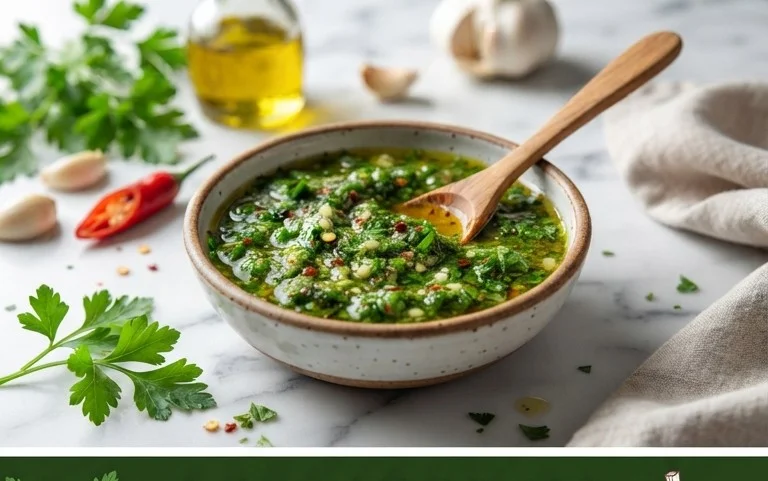
There are some sauces that are so vibrant, so bursting with flavor, they can transform even the simplest of dishes into something truly special. Chimichurri sauce is undeniably one of those sauces. Hailing from Argentina and Uruguay, this uncooked sauce is a zesty, herbaceous condiment that pairs beautifully with grilled meats, roasted vegetables, and even as a flavorful dip for bread. Its bright, fresh taste comes from a generous amount of fresh herbs, garlic, and a tangy vinegar base, all brought together with good quality olive oil. Making chimichurri from scratch is surprisingly easy, and the results are infinitely better than any store-bought version. Get ready to impress yourself and your guests with this incredibly versatile and delicious sauce.
Ingredients:
Crafting Your Vibrant Chimichurri
The beauty of chimichurri lies in its simplicity and the quality of its fresh ingredients. To begin extract, the key is to have all your herbs thoroughly washed and completely dry. Water left on the leaves will dilute the flavor and can affect the texture of your sauce. I like to give my herbs a good rinse under cool water and then spin them dry in a salad spinner. If you don’t have one, you can gently pat them dry with paper towels. For the parsley, cilantro, and oregano, we’re only using the leaves. The stems, especially of parsley and cilantro, can be a bit fibrous and might not blend as smoothly, so take the time to strip the leaves from the thicker stems. This ensures a silky, emulsified sauce rather than a chunky one. For the red onion, you can use either red onion or shallots, depending on your preference. Shallots tend to be a little milder and sweeter, while red onion offers a more pungent bite. Finely chopping it before adding it to the food processor will ensure it integrates well without large, overpowering pieces.
Now, let’s talk about the aromatics. The garlic cloves should be peeled, and for the best flavor release, I recommend giving them a rough chop. This helps the food processor or blender break them down more effectively. The red pepper flakes are where you can adjust the heat level to your liking. Start with the half teaspoon, and if you’re a fan of a little more kick, you can always add a pinch more later. The olive oil is the foundation of our sauce, and using a good quality extra-virgin extract olive oil is paramount. Its fruity, peppery notes will shine through and complement the herbs beautifully. The red grape juice vinegar provides the essential tang. While other vinegars can work in a pinch, the grape juice vinegar offers a subtle sweetness and a beautiful depth of flavor that is characteristic of authentic chimichurri. Fresh lemon juice is our final acidic component, adding another layer of brightness and cutting through the richness of the olive oil. Finally, kosher salt will enhance all the flavors, so don’t skimp on it!
Step-by-Step Chimichurri Creation:
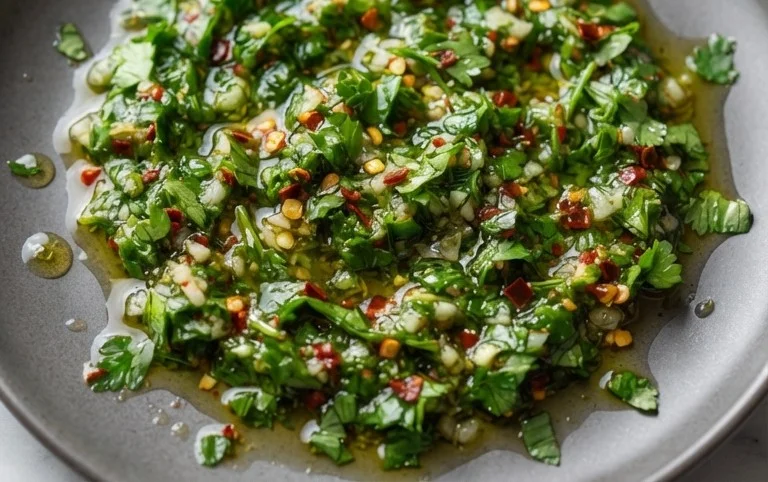
Once your chimichurri has had a chance to meld its flavors, it’s ready to be enjoyed! This vibrant green sauce is incredibly versatile. Drizzle it generously over grilled steak, chicken, or fish. Toss it with roasted vegetables for an instant flavor boost. Use it as a marinade for kebabs, or even as a zesty topping for sandwiches and burgers. I often find myself adding a spoonful to scrambled eggs or avocado toast. The possibilities are truly endless!
Conclusion:
There you have it – a simple yet incredibly flavorful Chimichurri Sauce Recipe that’s sure to elevate any dish! This vibrant, herbaceous sauce is a game-changer because of its fresh ingredients and balanced tangin extractess. It’s remarkably easy to whip up, requiring just a few minutes of chopping and blending, making it the perfect last-minute addition to your meal. Whether you’re grilling steak, chicken, or fish, or looking to add a zesty kick to roasted vegetables or even sandwiches, this chimichurri sauce is incredibly versatile. I truly encourage you to give this recipe a try; you’ll be amazed at how much flavor it adds with so little effort. Don’t be afraid to experiment with the herb ratios to find your perfect balance!
Frequently Asked Questions:
How long does chimichurri sauce last?
Properly stored in an airtight container in the refrigerator, this fresh chimichurri sauce will typically last for about 3 to 5 days. The vibrant green color might slightly fade over time, but the flavor will remain delicious.
Can I make chimichurri sauce spicier?
Absolutely! To add a spicy kick, you can finely mince a fresh chili pepper (like jalapeño or serrano) and add it to the sauce along with the other ingredients. You can also add a pinch of red pepper flakes for a more subtle heat.
What if I don’t have fresh parsley?
While fresh parsley is the star, you can substitute it with a combination of fresh cilantro and a smaller amount of fresh oregano if parsley is unavailable. The flavor profile will change slightly, but it will still be delicious!
Chimichurri Sauce Recipe
A vibrant and herbaceous Argentinian sauce perfect for grilled meats or vegetables.
Ingredients
-
1 cup fresh Italian flat-leaf parsley, leaves only, stems removed
-
1/4 cup fresh cilantro, leaves only, stems removed
-
1/4 cup fresh oregano, leaves only, stems removed
-
1/3 cup roughly chopped red onion
-
3 cloves garlic, peeled
-
1/2 teaspoon red pepper flakes
-
1/2 cup extra-virgin olive oil
-
1/4 cup red grape juice vinegar
-
3 tablespoons fresh lemon juice
-
1 teaspoon kosher salt
Instructions
-
Step 1
Finely chop the fresh parsley, cilantro, and oregano. You can do this by hand or pulse them briefly in a food processor. -
Step 2
Add the chopped herbs to a medium bowl. Also add the roughly chopped red onion and minced garlic. -
Step 3
Stir in the red pepper flakes, red grape juice vinegar, fresh lemon juice, and kosher salt. -
Step 4
Slowly drizzle in the extra-virgin olive oil while whisking continuously until well combined and emulsified. -
Step 5
Taste and adjust seasoning if necessary. For best flavor, let the chimichurri sauce sit for at least 15 minutes before serving to allow the flavors to meld.
Important Information
Nutrition Facts (Per Serving)
It is important to consider this information as approximate and not to use it as definitive health advice.
Allergy Information
Please check ingredients for potential allergens and consult a health professional if in doubt.