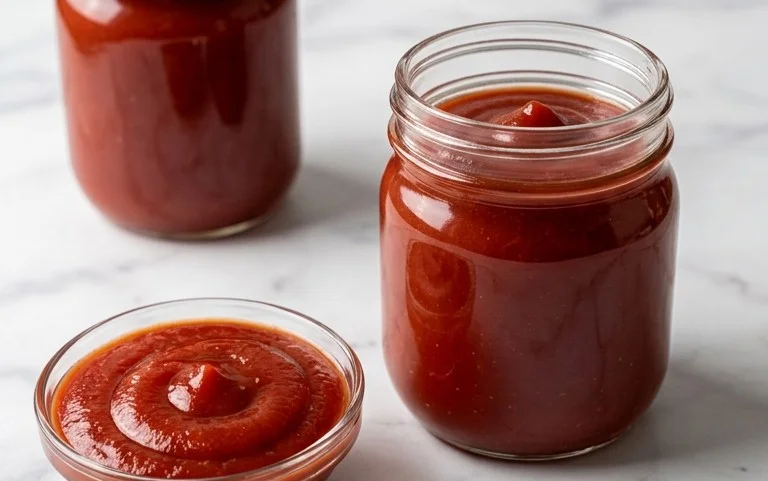
Heinz Copycat Ketchup Recipe Easy Homemade
Canned Ketchup Recipe (Heinz Copycat) – that’s right, you can recreate that iconic, tangy, sweet tomato goodness right in your own pantry! For years, I’ve been fascinated by how that familiar red sauce elevates everything from crispy fries to juicy burgers. It’s more than just a condiment; it’s a nostalgic taste of childhood, a reliable flavor enhancer that simply makes food better. But what if I told you that achieving that perfectly balanced, slightly vinegary, subtly spiced flavor of your favorite canned ketchup doesn’t require a trip to the grocery store every time? This canned ketchup recipe (Heinz copycat) is designed to deliver that signature taste with simple ingredients and straightforward steps. Get ready to unlock the secret to homemade ketchup that tastes just like the real deal, with a delightful homemade touch you’ll be proud of.
Why You’ll Love This Recipe:
Simple, Accessible Ingredients
Unmistakable Heinz Flavor Profile
Perfect for Stocking Your Pantry
The Quest for the Perfect Ketchup: A Heinz Copycat Recipe
We all have our pantry staples, those reliable ingredients that form the backbone of our culinary creations. For many of us, ketchup holds a special place. It’s the sweet, tangy, tomatoey condiment that elevates everything from fries to burgers. But have you ever found yourself staring at an almost-empty bottle, wishing you had a fresh batch ready to go? Or perhaps you’re looking to recreate that iconic flavor at home, a flavor so recognizable it practically has its own fanbase.
Well, friends, I’m here to tell you that the dream of homemade, Heinz-style ketchup is achievable! This recipe has been a labor of love, a journey to meticulously replicate the beloved taste and texture of America’s favorite ketchup. We’re going to take a few key ingredients and transform them into a sauce that will make your taste buds sing. Forget those store-bought brands that can sometimes taste a little too artificial or too vinegary; this is the real deal, made with care and, dare I say, a touch of magic.
The beauty of this recipe lies in its simplicity and its reliance on readily available ingredients, with one special addition that is key to achieving that perfect, velvety texture. We’ll be using tomato paste, not just for its concentrated flavor but also as a foundational element, and then we’ll enhance it with tomato juice for that perfect balance. Get ready to stock your pantry with a homemade ketchup that will rival any bottle on the shelf.
Ingredients:
Preparing Your Tomatoes:
The recipe calls for 7 quarts of tomato juice, which is a significant amount. To achieve this, you’ll need about 22 pounds of fresh, ripe tomatoes. I recommend using Roma tomatoes or any other paste tomatoes, as they have a lower water content and a richer flavor. The first step is to peel and seed your tomatoes. To easily peel them, score the bottom of each tomato with an ‘X’, then blanch them in boiling water for about 30-60 seconds, or until the skins start to loosen. Immediately plunge them into an ice bath. The skins should then slip off with ease. Next, core them and cut them in half, then gently squeeze out the seeds and excess juice. You’ll want to retain as much of the tomato flesh as possible. Once prepped, you can then blend them or run them through a food mill to create your tomato juice. If you’re short on time or fresh tomatoes, you can also start with high-quality canned crushed tomatoes, but fresh will always yield the most authentic flavor.
Cooking and Simmering:
Now for the exciting part – bringin extractg all these wonderful flavors together. In a very large, heavy-bottomed pot or Dutch oven, combine the prepared tomato juice, white distilled vinegar, granulated sugar, salt, onion powder, cinnamon, ground cloves, all-spice, and cayenne pepper. Whisk everything together until the sugar and salt are dissolved. Add the 46 oz can of tomato paste to the pot. This is where the real tomato flavor starts to concentrate. Stir vigorously to break up the tomato paste and incorporate it thoroughly into the liquid mixture. It might look a little chunky at first, but keep stirring until it’s relatively smooth. Now, place the pot over medium-high heat and bring the mixture to a gentle boil. Once it reaches a boil, reduce the heat to low, cover the pot loosely (you don’t want it to boil over), and let it simmer. This simmering process is crucial for developing the depth of flavor and allowing the spices to meld beautifully. We’re looking for a low and slow simmer, just enough to maintain a gentle bubbling. The lid should be slightly ajar to allow steam to escape, which helps the ketchup thicken.
Thickening and Finishing Touches:
The simmering process can take quite some time, and patience is your best friend here. We’re aiming for a substantial reduction in volume, and this can take anywhere from 2 to 4 hours, depending on your stovetop and the size of your pot. Stir the ketchup occasionally, perhaps every 20-30 minutes, to prevent it from sticking to the bottom of the pot and to ensure even cooking. You’ll notice the color deepening and the texture becoming richer. When the ketchup has reduced by about half to two-thirds of its origin extractal volume, it’s time to think about thickening. In a small bowl, whisk together the Thermflo with about 1/4 cup of the hot ketchup mixture from the pot until it forms a smooth slurry. This is our thickening agent, and it’s incredibly effective. Gradually whisk this slurry back into the main pot of ketchup. Be sure to stir constantly as you add it to avoid clumps. Continue to simmer for another 5-10 minutes, stirring constantly, until the ketchup thickens to your desired consistency. It should be thick enough to coat the back of a spoon but still pourable. Remember, it will thicken further as it cools.
Testing and Straining (Optional):
Before you consider the ketchup done, taste it! This is your chance to adjust the seasoning. If it’s not sweet enough for your liking, you can add a little more sugar, a tablespoon at a time, and let it simmer for a few more minutes. If it needs a bit more tang, a splash more vinegar can do the trick. For a smoother texture, you can optionally strain the ketchup through a fine-mesh sieve after it has thickened. This will remove any remaining tomato seeds or pulp, resulting in an incredibly smooth and professional finish. Press on the solids with the back of a spoon to extract as much liquid as possible. Be warned, though, this step can be a bit time-consuming, but the result is worth it if you’re aiming for that super-smooth, store-bought texture. If you don’t mind a little texture, you can skip this step entirely.
Cooling and Storing Your Homemade Ketchup:
Once you’re happy with the taste and consistency, remove the pot from the heat. Let the ketchup cool in the pot for about 15-20 minutes. This initial cooling period allows the Thermflo to fully activate and for the flavors to settle. Ladle the hot ketchup into sterilized glass jars or bottles. Make sure your containers are clean and have been properly sterilized to ensure the ketchup lasts. You can do this by washing them in hot, soapy water and then placing them in a boiling water bath for 10 minutes. Leave about 1/2 inch of headspace at the top of each jar. Once filled, screw on the lids tightly. The ketchup can be stored in the refrigerator for several weeks. For longer storage, you can consider water bath canning. This homemade ketchup is fantastic on everything – burgers, hot dogs, fries, chicken nuggets, and even as a base for barbecue sauce or marinades. Enjoy the satisfaction of knowing you’ve created this classic condiment from scratch!

Conclusion:
So there you have it – your very own homemade canned ketchup, a perfect Heinz copycat that’s surprisingly easy to whip up! This recipe is fantastic because it allows you to control the ingredients, ditching the preservatives and additives often found in store-bought versions. You get that familiar sweet and tangy flavor you know and love, all from simple pantry staples. Imagin extracte the satisfaction of opening a jar of your homemade goodness whenever the craving strikes!
This versatile canned ketchup recipe is perfect for all your favorite dishes. Slather it on burgers and hot dogs, dip your fries in it, or use it as a base for other sauces. Don’t be afraid to experiment with variations! You can add a pinch of smoked paprika for a smoky kick, a dash of chili powder for a little heat, or even a touch of honey for extra sweetness. I truly encourage you to give this Heinz copycat canned ketchup a try. It’s a rewarding culinary adventure that will elevate your everyday meals!
Frequently Asked Questions:
Q: How long will this canned ketchup last?
A: Properly senon-alcoholic aled and stored in a cool, dark place, your homemade canned ketchup should last for at least a year. Ensure your jars are sterilized and the lids have senon-alcoholic aled correctly for maximum shelf life.
Q: Can I make this recipe with fresh tomatoes?
A: Absolutely! While this recipe is designed for canned tomatoes for convenience and consistency, you can definitely use fresh, ripe tomatoes. You’ll want to blanch, peel, and seed them before proceeding, and you might need to adjust the simmering time slightly to achieve the desired thickness.
Q: What if I don’t have all the spices listed?
A: Don’t worry! The core flavors of ketchup come from the tomatoes, vinegar, and sugar. While the spices add complexity, you can omit or substitute them based on what you have. For example, if you don’t have celery seed, you can skip it. Adjust to your personal taste!
Canned Ketchup Recipe (Heinz Copycat)
A homemade ketchup recipe closely mimicking the taste of Heinz, perfect for canning and stocking your pantry.
Ingredients
-
7 quarts tomato juice
-
4 cups white distilled vinegar
-
3 cups sugar
-
5 Tbsp salt
-
1 Tbsp onion powder
-
1/2 tsp cinnamon
-
1/2 tsp ground cloves
-
1/2 tsp all-spice
-
1/2 tsp cayenne pepper
-
46 oz tomato paste
-
1/3 cup Thermflo
Instructions
-
Step 1
In a large pot, combine tomato juice, white distilled vinegar, sugar, salt, onion powder, cinnamon, ground cloves, all-spice, and cayenne pepper. Stir well. -
Step 2
Add the tomato paste to the pot and whisk until thoroughly incorporated and smooth. -
Step 3
Bring the mixture to a boil over medium-high heat, then reduce heat to low and simmer, uncovered, for 30 minutes, stirring occasionally. -
Step 4
In a small bowl, whisk the Thermflo with a little bit of the hot ketchup mixture until smooth, then stir this slurry back into the main pot. Continue to simmer for another 15 minutes, or until thickened to your desired consistency, stirring frequently to prevent sticking. -
Step 5
Carefully ladle the hot ketchup into sterilized canning jars, leaving 1/2-inch headspace. Remove any air bubbles. Wipe rims clean and attach lids and bands. -
Step 6
Process the jars in a boiling water canner according to manufacturer’s instructions for your altitude, typically 15 minutes for pints. -
Step 7
Remove jars from canner and let them cool on a wire rack for 12-24 hours. Check seals before storing.
Important Information
Nutrition Facts (Per Serving)
It is important to consider this information as approximate and not to use it as definitive health advice.
Allergy Information
Please check ingredients for potential allergens and consult a health professional if in doubt.