Authentic Chimichurri Sauce Recipe – Fresh Herb Flavor
Chimichurri sauce is more than just a condiment; it’s an experience. If you’ve ever grilled a steak in Argentina or savored the vibrant flavors of South American cuisine, you’ve likely encountered its magic. This herbaceous, zesty sauce has a way of transforming even the simplest grilled meats, vegetables, or even fish into something truly extraordinary. What makes chimichurri sauce so universally beloved? It’s the perfect harmony of fresh parsley and oregano, the pungent kick of garlic, the tang of vinegar, and the subtle warmth of red pepper flakes, all brought together with a generous pour of good olive oil. It’s this bright, herbaceous profile that cuts through richness and awakens your palate, making it an indispensable addition to any barbecue or home-cooked meal. Get ready to elevate your cooking with this incredibly versatile and utterly delicious chimichurri sauce!
Chimichurri Sauce: The Zesty Argentinean Condiment You Need
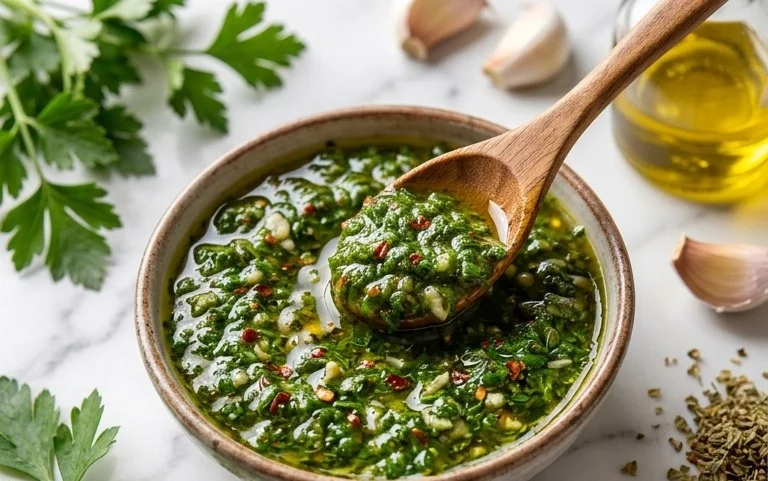
Welcome to the vibrant world of chimichurri! This iconic Argentinean sauce is an absolute revelation. Forget boring ketchup; chimichurri is a flavor explosion of fresh herbs, garlic, and a tangy kick that can elevate grilled meats, roasted vegetables, and even a simple piece of bread to extraordinary heights. Its bright green hue hints at the herbaceousness within, and its versatility makes it a staple in my kitchen. Making it from scratch is incredibly easy, and the result is so much more satisfying (and flavorful!) than any store-bought version. Let’s dive into how you can create this delightful condiment yourself.
Ingredients:
Crafting Your Chimichurri: Step-by-Step
The beauty of chimichurri lies in its simplicity. It’s a no-cook sauce that relies on the freshness of its ingredients and a good chop to meld the flavors. Here’s how to bring it all together:
1. Prepare Your Herbs: The Foundation of Flavor
Begin extract by thoroughly washing and drying your fresh herbs – parsley, cilantro, and oregano. This is a crucial step to ensure there’s no lingering dirt and that the sauce isn’t watery. For the parsley and cilantro, remove the thicker stems, as they can be a bit tough and bitter. You want to use the leafy parts primarily. For the oregano, if you’re using fresh, the stems are generally tender enough to chop along with the leaves. If you opt for dried oregano, simply measure out 1 teaspoon. Once prepped, finely chop the herbs. You can do this by hand with a sharp knife, or if you prefer, a food processor can be used, but be careful not to over-process it into a paste. A slightly chunky texture is desirable. Aim for small, consistent pieces.
2. Mince Your Aromatics: The Pungent Powerhouses
Next, we move on to the aromatics. Peel and finely mince the garlic cloves. You want these to be very small pieces to distribute their pungent flavor evenly throughout the sauce. For the red onion or shallot, you’ll want to mince this very finely as well. If you find raw onion too overpowering, rinsing the finely minced onion under cold water for a minute and then patting it dry can mellow its bite. Shallots offer a milder, sweeter alternative if red onion is not your preference. The goal here is to have these ingredients integrated seamlessly, not as large, noticeable chunks.
3. Combine the Freshness: Building the Base
In a medium bowl, combine the finely chopped parsley, cilantro, and oregano with the minced garlic and red onion (or shallot). This is where the vibrant green magic starts to happen! Stir these ingredients together to get a good initial blend. At this stage, you’re creating the herbaceous backbone of your chimichurri. The combination of parsley and cilantro provides a fresh, grassy base, while the oregano adds a slightly peppery and earthy note. The garlic and onion will lend their characteristic pungent aroma and taste, which will be beautifully balanced by the acidity to come.
4. Introduce the Zing: The Tangy Trio
Now it’s time to add the liquids that will bring brightness and balance. Pour in the red grape juice vinegar and fresh lemon juice. Red grape juice vinegar offers a unique fruity tang, but a good quality red grape juice vinegar or even apple cider vinegar can be substituted if red grape juice vinegar isn’t readily available. Fresh lemon juice is key for its bright, zesty acidity. Stir these liquids into the herb and aromatic mixture. This is also the time to add your salt and red pepper flakes. Remember that the salt will help to draw out some of the moisture from the herbs and aromatics, further melding the flavors. Start with the 1/2 teaspoon of salt and the 1/4 teaspoon of red pepper flakes if you like a little heat, and you can always add more later to suit your personal taste.
5. Emulsify with Olive Oil: The Silky Finish
The final step is to incorporate the olive oil. Drizzle the 3/4 cup of olive oil slowly into the bowl while continuously stirring. You’re essentially emulsifying the oil with the other ingredients. This process will transform the mixture into a cohesive sauce. Continue stirring until the oil is well incorporated and the sauce has a slightly thicker, drizzly consistency. Taste your chimichurri at this point and adjust the seasonings as needed. Does it need a pinch more salt? A little more acidity from lemon juice or vinegar? A dash more red pepper for heat? Don’t be shy about tweaking it to perfection.
Serving and Storing Your Masterpiece
Once your chimichurri is perfectly seasoned, you can use it immediately. It’s fantastic drizzled over grilled steak (the classic pairing!), chicken, fish, or beef. Roasted vegetables, like potatoes, bell peppers, and zucchini, also benefit immensely from a dollop. Even a simple grilled halloumi cheese or a bruschetta topping can be elevated. For the best flavor, let the chimichurri sit for at least 15-30 minutes at room temperature before serving, allowing the flavors to meld further.
To store, transfer the chimichurri to an airtight container or a jar. It will keep in the refrigerator for up to a week. The olive oil may solidify slightly in the fridge; simply let it sit at room temperature for a bit before serving, and give it a good stir. Enjoy the vibrant, herbaceous goodness of your homemade chimichurri!
Conclusion:
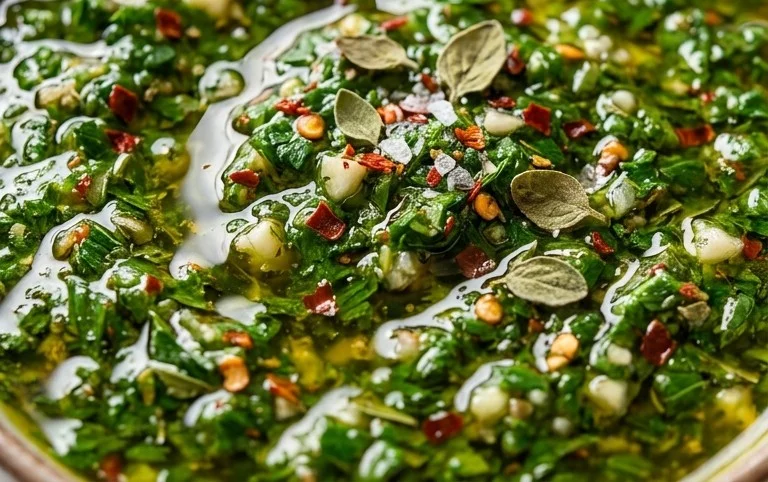
You’ve now got everything you need to whip up a fantastic batch of chimichurri sauce! This vibrant, herbaceous condiment is an absolute game-changer for elevating simple grilled meats, roasted vegetables, and even hearty salads. Its fresh, zesty flavor profile, driven by parsley, oregano, garlic, and a touch of heat from chili flakes, is incredibly versatile and surprisingly easy to create at home. Don’t be afraid to experiment with this recipe; it’s a forgiving and rewarding culinary adventure.
Think of chimichurri sauce as your secret weapon for delicious meals. It’s perfect drizzled over steak, chicken, fish, or beef. Try it as a marinade for skewers, or toss it with roasted potatoes and Brussels sprouts for an incredible side dish. For a lighter touch, a spoonful can transform a simple caprese salad or a grain bowl. The beauty of this recipe lies in its simplicity and the punch of flavor it delivers. I truly encourage you to give this chimichurri a try – you won’t regret it!
Frequently Asked Questions about Chimichurri Sauce:
Q: How long does chimichurri sauce last?
A: Freshly made chimichurri sauce will typically last for about 4-5 days when stored in an airtight container in the refrigerator. The oil helps preserve it, but the fresh herbs are best enjoyed sooner rather than later for peak flavor.
Q: Can I make chimichurri ahead of time?
A: Absolutely! In fact, I often find the flavors meld even better after resting for a few hours in the refrigerator. So, feel free to make it a day in advance of when you plan to use it. Just give it a good stir before serving.
Q: What if I don’t have fresh oregano?
A: While fresh oregano is ideal, you can substitute with dried oregano. Use about 1 to 1.5 teaspoons of dried oregano for every tablespoon of fresh. Keep in mind that dried herbs have a more concentrated flavor, so start with less and adjust to your taste.
Classic Chimichurri Sauce
A vibrant and zesty Argentinian sauce perfect for grilled meats, fish, or vegetables. This recipe emphasizes fresh herbs and a tangy vinegar base.
Ingredients
-
1 1/2 cups well packed (42g) fresh parsley
-
1/2 cup well packed (20g) fresh cilantro
-
1/4 cup (9g) fresh oregano or 1 tsp dried
-
1/4 small red onion
-
3 garlic cloves
-
3 Tbsp red grape juice vinegar
-
2 Tbsp fresh lemon juice
-
1/2 tsp salt
-
1/4 tsp red pepper flakes
-
3/4 cup olive oil
Instructions
-
Step 1
Finely chop the fresh parsley, cilantro, and oregano (if using fresh). -
Step 2
Mince the red onion (or shallot) and garlic cloves very finely. Alternatively, pulse them in a food processor until finely minced. -
Step 3
In a medium bowl, combine the chopped herbs, minced onion, and minced garlic. -
Step 4
Add the red grape juice vinegar, fresh lemon juice, salt, and red pepper flakes (if using) to the bowl. Stir to combine. -
Step 5
Slowly drizzle in the olive oil while whisking constantly until the sauce is well emulsified and has a slightly thickened consistency. -
Step 6
Taste the chimichurri and add more salt or red pepper flakes to your preference. Let it sit for at least 10 minutes before serving to allow the flavors to meld.
Important Information
Nutrition Facts (Per Serving)
It is important to consider this information as approximate and not to use it as definitive health advice.
Allergy Information
Please check ingredients for potential allergens and consult a health professional if in doubt.